
Why Do My Teeth Hurt With Braces Randomly?
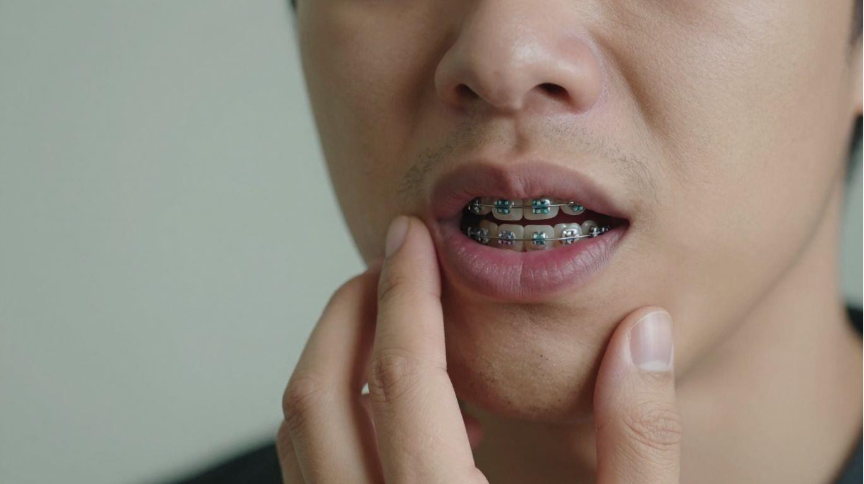
Getting braces is a big step toward a straighter smile, but it often comes with some unexpected discomfort. You might be wondering, 'Why do my teeth hurt with braces randomly?' It's a common question, and the truth is, that occasional ache is usually a sign your braces are doing their job. This article breaks down why you might feel pain, how long it typically lasts, and what you can do to feel better. We'll cover everything from the initial adjustment period to those random twinges that pop up during treatment.
Key Takeaways
- The pressure from braces is what moves teeth, and this process can cause temporary soreness and discomfort, especially after adjustments.
- Random tooth pain can occur because teeth don't all move at the same speed; some might be shifting more actively at different times.
- Factors like new appliances (expanders, elastics), brackets or wires rubbing, and the final stages of treatment can also trigger pain.
- Mild pain is normal and usually lasts a few days after getting braces or after an adjustment, but intense or persistent pain should be checked by a professional.
- Managing braces pain involves simple steps like taking over-the-counter pain relievers, using orthodontic wax, eating soft foods, and rinsing with salt water.
How Braces Move Teeth and Affect the Surrounding Structures
Braces work by applying a consistent, gentle force to your teeth. This force is transmitted through the brackets attached to each tooth and the archwire that connects them. This steady pressure encourages your teeth to gradually shift into their desired positions.
Think of it like this: the pressure from the braces loosens the tiny fibers, called periodontal ligaments, that hold your teeth in their bony sockets. Once these ligaments are a bit relaxed, the teeth can begin to move. It's not just the teeth themselves that change; the bone around the tooth roots also remodels itself, creating space for the tooth to move into. This process is slow and steady, and it's how braces can correct crowding, gaps, and bite issues.
This constant, controlled movement is what helps create a straighter smile and a healthier bite. It's a biological process that involves your teeth, the ligaments holding them, and the surrounding bone all working together. Understanding this mechanism helps explain why you might feel pressure or even some soreness during treatment, as your body is actively adapting to these changes. It's all part of the journey to a better smile, and it's important to remember that these shifts are designed to improve your oral health long-term. Learning more about how braces work can be really helpful during your treatment.
Common Reasons Teeth May Hurt Randomly With Braces
It's pretty common to wonder, "Why do my teeth hurt with braces?" You might experience a dull ache or a sharp twinge that seems to come out of nowhere. This isn't usually a sign that something is wrong; it's often just your teeth doing their job.
The main reason your teeth might hurt is the constant, gentle pressure braces apply to move them. This pressure is what straightens your smile, but it can cause temporary soreness. Think of it like a muscle getting a good workout – it's a bit sore afterward, but it's getting stronger.
- Recent Adjustments: If you've just had your braces tightened or adjusted, expect some discomfort. This is the most common time for teeth to hurt after a braces adjustment. The pressure from new wires or bands is working to shift your teeth, and that can feel tender for a few days. You might wonder, "How long do your teeth hurt after getting braces?" or "How long do teeth hurt after getting braces off?" Typically, the most intense pain lasts a few days after an adjustment, gradually fading.
- Individual Tooth Movement: Teeth don't all move at the exact same speed. Sometimes, one tooth might be actively shifting while others are more settled. This can lead to a feeling of sensitivity or soreness in that specific tooth, making it seem like it hurts randomly.
- New Appliances: If your orthodontist adds new components like elastics, springs, or power chains, these can introduce different types of pressure or friction. Your mouth will need a little time to get used to these additions, which can cause temporary soreness.
- Chewing Habits: What you eat can also play a role. Biting into hard or crunchy foods, or foods that require a strong bite, can put extra stress on teeth that are already being moved. This can make them feel more sensitive or sore.
It's important to remember that mild to moderate discomfort is a normal part of the orthodontic process. Your teeth are literally being repositioned, and that takes time and pressure. Most of the time, these sensations are temporary and a sign that your treatment is progressing as planned.
If you're asking, "What to do if your teeth hurt from braces?" or "Do teeth braces hurt?" – know that there are ways to manage it. Over-the-counter pain relievers, cold compresses, and sticking to softer foods can help significantly. However, if the pain is severe, doesn't improve, or you suspect a broken wire or bracket, it's always best to reach out to your orthodontist.
Factors That Can Trigger Sudden Braces Pain
It's not uncommon for people with braces to experience unexpected twinges or soreness. Several things can contribute to this, and understanding them can help manage the discomfort.
One of the main culprits is the adjustment process itself. When you visit your orthodontist, they might tighten the wires or change them to guide your teeth into their new positions. This increased pressure is what moves your teeth, but it can also make them feel tender. Think of it like stretching a muscle – it needs time to get used to the new position.
- Recent Adjustments: Right after your braces are tightened or adjusted, you'll likely feel some soreness. This is completely normal as your teeth and the surrounding tissues adapt to the new forces. The discomfort usually peaks within the first 24 to 48 hours and then gradually fades.
- New Archwire Placement: The archwire is the main wire that runs through all the brackets. When a new one is put in, it applies pressure to move your teeth. This can cause a feeling of tightness and soreness.
- Additional Orthodontic Appliances: Sometimes, extra tools like rubber bands, spacers, or other devices are used to help move teeth more effectively. These can add extra pressure and cause discomfort in specific areas.
- Friction and Irritation: The metal brackets and wires can sometimes rub against the inside of your cheeks, lips, or tongue. This friction can cause small sores or irritation, leading to a sharp, localized pain.
- Changes in Bite: As your teeth start to shift, the way your upper and lower teeth meet can change. This new bite alignment might feel awkward or put temporary stress on certain teeth or your jaw muscles.
It's important to remember that some level of discomfort is a sign that your braces are working. However, this pain shouldn't be unbearable or last for an extended period. If the pain is severe or doesn't improve after a few days, it's always a good idea to check in with your orthodontist.
Sometimes, what you eat can also play a role. Biting into hard or crunchy foods, even if they don't seem that tough, can put extra stress on already sensitive teeth and braces. This can lead to a sudden jolt of pain or even damage the braces themselves, requiring another visit to the orthodontist.
When Pain May Require Professional Attention
While some level of discomfort is expected with braces, there are times when the pain signals that something needs a closer look from your orthodontist. It's important to know the difference between normal soreness and a problem that needs fixing.
- Persistent pain: If the discomfort doesn't ease up after about a week, or if it seems to be getting worse instead of better, it's a good idea to get in touch. This could mean a wire is out of place, a bracket is loose, or there's an unusual pressure point causing trouble.
- Sharp or poking sensations: If a wire is sticking out and digging into your cheek, gums, or tongue, it can be quite painful and even cause sores. While sometimes a bit of orthodontic wax can help temporarily, persistent irritation from a poking wire should be checked.
- Loose or broken parts: If you notice a bracket has come off a tooth, or if a wire has broken or become significantly bent, this can cause pain and also affect how your teeth are moving. It's best to have these fixed promptly.
- Signs of infection: While less common, if you notice your gums are very swollen, bleeding excessively, or if you have a fever along with mouth pain, it's important to seek professional advice.
- Difficulty with basic functions: If the pain is so severe that it's making it hard to eat, speak, or even manage your daily oral hygiene, that's a sign that something isn't right.
It's always better to be safe than sorry when it comes to your orthodontic treatment. Your orthodontist is there to help you through any challenges, so a quick call can often prevent bigger issues down the road.
Practical Ways to Manage Random Braces Pain
Dealing with unexpected toothaches when you have braces can be a real bummer. Thankfully, there are several straightforward things you can do to find some relief and make the process a bit more comfortable. The goal is to ease discomfort and keep your mouth healthy while your teeth are on the move.
- Over-the-Counter Pain Relief: For general soreness, medications like ibuprofen or acetaminophen can be quite helpful. They work to reduce inflammation and ease the ache. Just be sure to follow the dosage instructions on the package, and it's always a good idea to check with your orthodontist if you're unsure.
- Cold Therapy: Applying a cold compress to the outside of your jaw or cheek can really help numb the area and reduce swelling. You can use a store-bought ice pack or even a bag of frozen vegetables wrapped in a soft cloth. Holding it there for about 10-15 minutes at a time can make a noticeable difference.
- Warm Saltwater Rinses: Mixing about a teaspoon of salt into a cup of warm water and gently swishing it around your mouth can be surprisingly soothing for sore gums and can help keep things clean. This is especially good if you have any minor irritation inside your mouth.
- Dietary Adjustments: When your mouth is feeling tender, sticking to softer foods is key. Think smoothies, yogurt, soups, mashed potatoes, or scrambled eggs. Avoiding anything too hard, crunchy, or sticky will prevent unnecessary pressure on your teeth and braces.
- Orthodontic Wax: If a wire or bracket is poking or rubbing in a way that's causing irritation, orthodontic wax is a lifesaver. You can get this from your orthodontist or find it at most drugstores. Just take a small piece, roll it into a ball, and gently press it over the offending piece of hardware to create a smooth barrier.
- Gentle Oral Hygiene: Even when your mouth hurts, keeping your teeth and braces clean is super important. Use a soft-bristled toothbrush and brush gently, paying attention to cleaning around the brackets and along the gum line. Flossing daily is also a must.
Sometimes, the pain you feel is just your teeth adjusting to the pressure. It's a sign that the braces are doing their job. However, if the pain is severe, doesn't improve, or if you notice a broken part of your braces, it's time to reach out to your orthodontist. They can make adjustments to ensure everything is working correctly and comfortably.
Putting It All Together
So, while it might feel a bit strange when a tooth suddenly aches with braces, remember that it's usually just a sign that things are moving along as they should. Your teeth are shifting, and that takes time and a little bit of adjustment for your mouth. Most of the time, this discomfort is temporary and manageable with simple home care like over-the-counter pain relievers, orthodontic wax for any rubbing spots, or sticking to softer foods for a bit. If the pain ever feels really intense, doesn't get better, or if you notice something broken, it's always best to give your orthodontist a call. They're there to help you through the process and make sure your journey to a straighter smile is as comfortable as possible.
Frequently Asked Questions
-
Why do my teeth hurt even when I'm not getting my braces adjusted?
Sometimes, teeth can feel sore even between adjustments. This usually happens because teeth don't all move at the same speed. As your braces work to straighten your smile, some teeth might shift more than others at different times, causing a temporary ache. It's a sign that your braces are doing their job!
-
How long does the pain usually last after braces are tightened?
After your braces are tightened, you might feel some soreness for about 1 to 5 days. The first day or two are often the most uncomfortable, but the pain usually gets much better after that.
-
Can braces cause sores inside my mouth?
Yes, the metal brackets and wires can sometimes rub against the inside of your cheeks, lips, or tongue. This can cause small sores or irritation. Using orthodontic wax can help protect these areas until your mouth gets used to the braces.
-
What's the best way to deal with sudden tooth pain from braces?
For mild pain, over-the-counter pain relievers like ibuprofen or acetaminophen can help. Rinsing with warm salt water can also soothe sore gums. Eating softer foods and applying a cold pack to the outside of your cheek can also provide relief.
-
Are headaches a common side effect of braces?
Some people experience tension headaches when they have braces. This can be due to the pressure on the teeth and jaw. Managing the tooth discomfort with the tips above might also help reduce headaches.
-
When should I call my orthodontist about braces pain?
While some discomfort is normal, you should contact your orthodontist if you experience intense pain, especially after an accident, if a bracket or wire breaks, or if the pain doesn't get better with home care and over-the-counter medicine.
Blog Post Author

Contributed by DentalROI
DentalROI provides relevant dental content to help providers educate patients. The statements, services, and products referenced in this article have not been evaluated by the Food and Drug Administration, and they are not intended as a substitute for professional medical advice, diagnosis, or treatment. Always seek the advice of your dental provider with any questions or issues you may have. Specific recommendations may vary in different circumstances, so individual consultation is important.