
Is Invisalign Better Than Braces
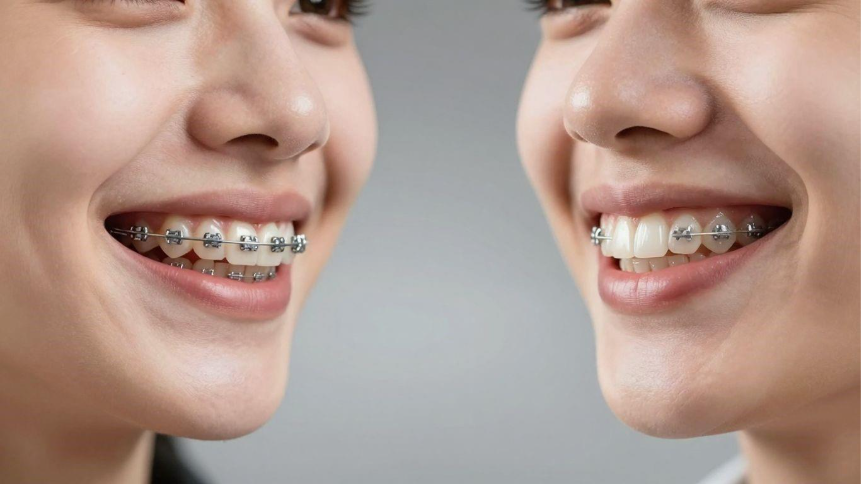
Deciding between Invisalign and traditional braces can feel like a big choice, and honestly, many people wonder about it. Both options aim to give you a straighter smile, but they go about it in pretty different ways. You might be asking yourself, "is Invisalign better than braces?" or maybe, "is braces better than Invisalign?" It really comes down to what works best for your teeth, your lifestyle, and what you're comfortable with. We'll break down the differences to help you figure out which path might be the right one for you.
Key Takeaways
- When considering "is Invisalign better than braces?", remember that Invisalign offers a nearly invisible look, while traditional braces are highly effective for complex alignment issues.
- For those asking "why is Invisalign better than braces?", the removable nature of aligners makes eating and cleaning teeth easier, and they are generally more comfortable.
- If you're wondering "is Invisalign better than traditional braces?", consider that Invisalign treatment times can sometimes be shorter for mild to moderate cases, averaging 12-18 months compared to 18-24 months for braces.
- When deciding "is an Invisalign better than braces?", it's important to know that while Invisalign is great for aesthetics and convenience, braces might be the preferred choice for severe misalignments or when patient discipline for wearing aligners is a concern.
- Ultimately, whether "is Invisalign better than regular braces?" depends on individual needs; both methods, guided by an orthodontist, can lead to a straighter smile, but their effectiveness varies with case complexity.
Invisalign vs. Braces: Making the Right Choice for You
Deciding between Invisalign and traditional braces is a big step toward a straighter smile, and it's totally normal to wonder which one is the better fit. Both methods work to move your teeth into their ideal positions, but they go about it in pretty different ways. Think of it like choosing between a high-tech gadget and a tried-and-true tool – each has its own strengths.
When you're weighing your options, it's helpful to consider what matters most to you. Are you looking for the most discreet treatment possible? How important is it to be able to remove your aligners for eating and cleaning? Do you have a complex bite issue, or is it more about straightening out a few teeth? These are the kinds of questions that can guide you.
- Appearance: Invisalign uses clear, custom-made aligners that are nearly invisible. Traditional braces use metal brackets and wires that are more noticeable.
- Comfort: Invisalign aligners are made of smooth plastic, which many people find more comfortable than the metal parts of braces that can sometimes irritate the mouth.
- Lifestyle: Because Invisalign aligners are removable, you can take them out to eat, drink, brush, and floss. With braces, you have to be more careful about what you eat and how you clean your teeth.
- Treatment Complexity: While Invisalign is great for many common issues, traditional braces might be a better choice for more complex bite problems or severe crowding.
Ultimately, neither Invisalign nor traditional braces are universally 'better.' The best choice really depends on your specific orthodontic needs, your lifestyle, and what you're hoping to achieve with treatment.
It's also worth noting that while treatment times can vary, many people find Invisalign treatment to be a bit quicker on average, often falling between 6 to 18 months, compared to the 18 to 24 months typically associated with traditional braces. However, consistent wear of your Invisalign aligners is key for achieving those results.
Who Is a Good Candidate for Invisalign vs. Braces
Deciding between Invisalign and traditional braces really comes down to what works best for you and your specific dental situation. It's not a one-size-fits-all answer.
For folks with more complex orthodontic issues, like significant bite problems or severely crowded teeth, traditional braces often do the heavy lifting.
On the other hand, Invisalign clear aligners are fantastic for mild to moderate alignment problems.
- Complex Cases: Traditional braces are generally better for severe crowding, significant bite issues, or when precise control over individual tooth movement is needed.
- Mild to Moderate Cases: Invisalign excels at correcting less severe alignment issues.
- Lifestyle and Discipline: Invisalign requires wearing aligners for 20-22 hours a day.
- Aesthetics: Invisalign's near-invisibility is a major advantage.
Ultimately, the best way to figure out who is a good candidate for which treatment is to chat with an orthodontist.
Convenience, Flexibility, and Lifestyle Fit
When considering orthodontic treatment, how it fits into your daily life is a big deal.
Invisalign aligners are removable, allowing you to eat, drink, brush, and floss normally.
Braces, on the other hand, are fixed in place and require dietary restrictions and extra care.
- Removable for eating and cleaning.
- No food restrictions.
- Requires consistent wear (20-22 hours/day).
- Easier to maintain oral hygiene.
- Fixed appliance.
- Dietary restrictions are common.
- Requires more effort for cleaning.
- No daily wear compliance needed once applied.
Comfort and Daily Experience
When thinking about orthodontic treatment, how it feels day-to-day matters.
With braces, there can be soreness and irritation from brackets and wires.
Invisalign offers smooth, removable aligners with fewer comfort issues.
- Eating restrictions with braces.
- Simpler cleaning with Invisalign.
- Possible irritation with braces.
- Minimal irritation with Invisalign.
Appearance and Confidence During Treatment
Traditional braces can be noticeable and affect confidence for some people.
Invisalign aligners are nearly invisible, helping maintain confidence during treatment.
- Virtually invisible aligners.
- Visible brackets and wires.
- Minimal disruption to appearance.
- Can cause self-consciousness for some.
Making the Right Choice for Your Smile
Deciding between Invisalign and traditional braces really comes down to your needs and lifestyle. Both are effective options, and the best choice comes from a conversation with your orthodontist. Choosing between Invisalign and braces depends on your lifestyle, the complexity of your smile goals, and your personal preferences. Contact our office for a personalized assessment to see which option is the perfect fit for your needs. Visit Swenson Family Orthodontics today to explore your path to a straighter, more confident smile.
Frequently Asked Questions
Can Invisalign fix really crooked teeth?
Invisalign works best for mild to moderate teeth straightening.
How long does Invisalign treatment usually take?
Treatment often lasts 6 to 18 months.
Are there any foods I can't eat with Invisalign?
There are no food restrictions because aligners are removable.
Is Invisalign more comfortable than braces?
Many people find Invisalign more comfortable due to smooth plastic aligners.
Do I have to wear Invisalign all the time?
Aligners should be worn 20 to 22 hours a day.
Can I switch between Invisalign and braces?
In some cases, orthodontists may combine treatments.
Blog Post Author

Contributed by DentalROI
DentalROI provides relevant dental content to help providers educate patients. The statements, services, and products referenced in this article have not been evaluated by the Food and Drug Administration, and they are not intended as a substitute for professional medical advice, diagnosis, or treatment. Always seek the advice of your dental provider with any questions or issues you may have. Specific recommendations may vary in different circumstances, so individual consultation is important.