
Can You Chew Gum With Braces?
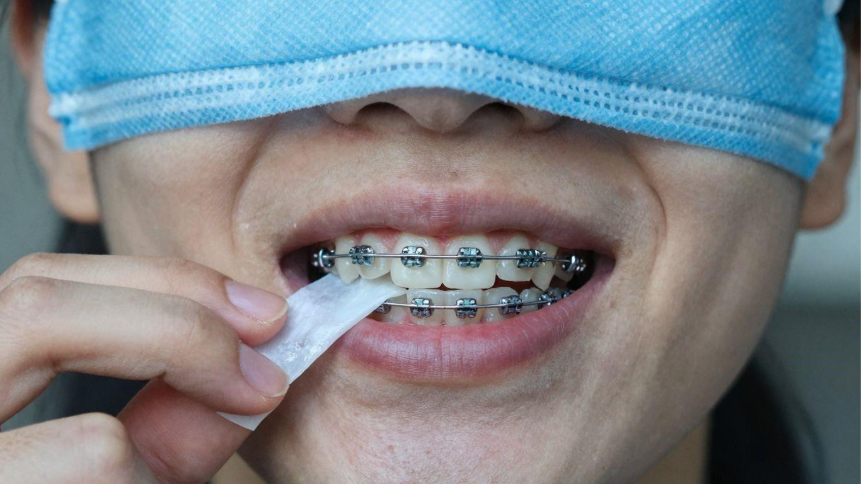
So, you've got braces and you're wondering about the little things, like whether you can still enjoy chewing gum. It's a common question, and the answer isn't a simple yes or no. While chewing gum with braces is possible, it comes with a few important rules to follow to keep your orthodontic treatment on track and your braces in good shape.
Key Takeaways
- You can chew gum with braces if you choose the right type.
- Sugar-free, soft-textured gum is generally recommended.
- Avoid sticky, hard, or sugary gum to prevent damage and cavities.
- Chewing gum may help relieve mild soreness after adjustments.
- Good oral hygiene is essential after chewing gum.
How Braces Work and Why Food Choices Matter
Braces are orthodontic appliances designed to correct misaligned teeth and jaws by applying gentle, consistent pressure over time. Brackets are attached to the teeth and connected by wires, which are adjusted periodically to guide movement.
Because braces include delicate hardware, food choices matter greatly. Certain foods can damage brackets and wires or become trapped, increasing the risk of cavities and gum problems.
- Hard or sticky foods can break brackets or bend wires.
- Trapped food particles increase cavity risk.
- Damaged braces can delay treatment progress.
Can You Chew Gum With Braces? A Clear Explanation
The answer is yes, but with caution. Modern orthodontic materials and sugar-free gums have made chewing gum more acceptable for some patients with braces.
The main risks come from sticky textures and sugar content. Sugary gum feeds bacteria, while sticky gum can cling to braces and cause damage.
Sugar-free gum can offer some benefits by increasing saliva flow, which helps neutralize acids and wash away food particles.
- Always choose sugar-free gum.
- Avoid gum with hard shells or sticky centers.
- Chew for short periods only.
- Follow your orthodontist’s advice.
Risks of Chewing Gum While Wearing Braces
Chewing the wrong type of gum can cause several problems for people with braces.
- Gum can get stuck on brackets and wires.
- Sticky gum may loosen or break braces.
- Sugary gum increases the risk of tooth decay.
- Residue can make cleaning more difficult.
Being cautious with gum choices helps protect your orthodontic treatment and oral health.
Smart Gum-Chewing Guidelines for Braces
If your orthodontist allows gum chewing, following smart guidelines can reduce risks.
- Choose sugar-free gum, preferably with xylitol.
- Limit chewing to 10–15 minutes.
- Avoid chewing right after adjustments.
- Brush thoroughly after chewing gum.
- Stop chewing if you feel discomfort.
If you wear expanders, elastics, or other appliances, gum is usually not recommended.
Long-Term Impact of Good Habits During Braces
Good habits during braces treatment lead to healthier teeth and gums in the long run.
- Reduced risk of cavities and gum disease.
- Fewer broken brackets and repairs.
- Smoother and faster treatment progress.
- Easier oral care after braces are removed.
The habits formed during orthodontic treatment often continue for life, supporting long-term oral health.
So, Can You Chew Gum With Braces?
Chewing gum with braces is not completely off-limits, but it requires care and moderation. Stick to sugar-free gum, chew gently, and maintain excellent oral hygiene. When in doubt, consult your orthodontist for personalized advice. Visit Swenson Family Orthodontics today to learn how to keep your treatment on track and your smile protected.
Frequently Asked Questions
Can I chew any type of gum with braces?
No. Only soft, sugar-free gum is recommended. Avoid sticky, hard, or sugary gum.
Is sugar-free gum safe with braces?
Yes. Sugar-free gum can help stimulate saliva and reduce cavity risk when chewed in moderation.
How long should I chew gum?
Limit gum chewing to 10–15 minutes to avoid unnecessary stress on braces.
What should I do after chewing gum?
Brush your teeth thoroughly to remove residue and prevent plaque buildup.
When should I avoid chewing gum completely?
Avoid gum if your braces are new, recently tightened, damaged, or if you have jaw pain or expanders.
What are alternatives to chewing gum?
Sugar-free mints, mouthwash, or rinsing with water can help freshen breath without the risks of gum.
Blog Post Author

Contributed by DentalROI
DentalROI provides relevant dental content to help providers educate patients. The statements, services, and products referenced in this article have not been evaluated by the Food and Drug Administration, and they are not intended as a substitute for professional medical advice, diagnosis, or treatment. Always seek the advice of your dental provider with any questions or issues you may have. Specific recommendations may vary in different circumstances, so individual consultation is important.