
The Science Behind Straight Teeth: Why Orthodontics Is More Than Just Aesthetic
When people think of orthodontics, they usually think of straight smiles. Alignment is one part of the picture, but the truth is more complex and much more important for long-term oral health. Misaligned teeth and jaws can lead to worn enamel, gum disease, TMJ pain, and even breathing issues. Yet many people still think orthodontics is only for kids or for improving appearance.
In reality, orthodontics is a specialized field of medicine that uses principles of tooth movement and jaw growth to improve both function and form. Treatment aims to balance the relationship between teeth, bones, muscles, and the airway across all ages.
At the center of successful orthodontic care is accurate diagnosis, personalized planning, and a deep understanding of dental anatomy. Orthodontists like Dr. Brendon Swenson—who holds advanced specialist credentials—apply this expertise to help patients achieve far more than a better-looking smile.
How Misalignment Happens—and Why It Matters
- Genetic factors such as small jaws or large teeth, leading to crowding
- Prolonged thumb-sucking or pacifier use causing open bites or crossbites
- Tongue posture issues influencing jaw growth
- Chronic nasal obstruction affecting facial development
These issues affect more than appearance. Crooked teeth are harder to clean, increasing the risk of gingivitis and periodontitis. Uneven bite forces can wear down enamel or strain the jaw joint, leading to long-term pain or damage.
Early detection is key. The American Association of Orthodontists recommends evaluations around age seven—when adult teeth are emerging but growth can still be guided. Early appliances can help shape proper jaw development and may reduce the need for more complex treatment later.
Looking Into Treatment Pathways
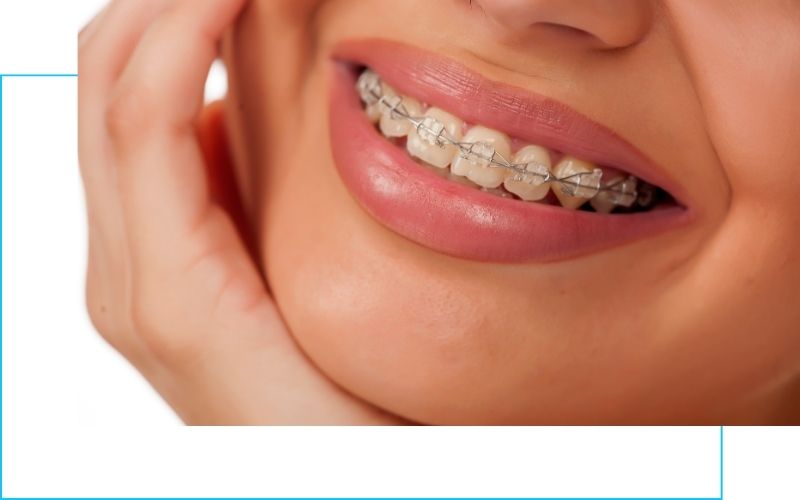
- Traditional Metal or Ceramic Braces: Ideal for comprehensive correction with precise tooth movement.
- Clear Aligners (e.g., Invisalign): Good for teens and adults needing mild to moderate correction with removable trays.
- Early-Phase Orthodontics: Appliances for younger patients to guide growth and eliminate harmful habits.
The best option depends on age, dental structure, and treatment goals. While aligners offer convenience and aesthetics, they require strict compliance and aren’t appropriate for every case.
What Makes Teeth Move
Orthodontics works by creating controlled pressure that causes bone remodeling. Brackets, wires, or aligners apply gentle force that makes bone resorb on one side of the tooth and rebuild on the other, allowing safe movement.
Modern advancements such as nickel-titanium wires, digital modeling, and 3D-printed attachments make this process more precise and comfortable. Every adjustment is tailored to the patient’s biology and long-term needs, ensuring stable results.
Health Gains That Go Beyond the Smile
- Easier brushing and flossing, reducing gum disease and decay
- Better bite balance, reducing enamel wear
- Relief from headaches or jaw pain caused by poor occlusion
- Improved confidence and emotional well-being
The emotional boost from a comfortable, confident smile is backed by real physical improvements that support lifelong oral health.
When It’s Not the Right Time—or Not the Right Tool
- Active gum disease or untreated cavities must be managed first
- Clear aligners may not correct complex skeletal issues
- Surgical or fixed appliances may be needed for severe discrepancies
- Compliance is essential—aligners must be worn consistently
- Braces require careful cleaning and dietary precautions
A thorough examination helps determine the safest and most effective path forward, balancing goals, biology, and long-term outcomes.
Keeping Results for Life
Once treatment ends, the retention phase begins. Removable or bonded retainers hold teeth in place while bone and soft tissues stabilize. Without this step, relapse is likely—teeth naturally shift back, especially in the lower front area.
Orthodontics should be seen as a long-term process rather than a one-time fix. With proper retention, regular checkups, and good hygiene, the benefits of orthodontic treatment can last a lifetime.
To learn more about the best time and type of orthodontic treatment, call 208-717-3771 to schedule a private consultation with our specialist team.
Blog Post Author

Contributed by DentalROI
DentalROI provides relevant dental content to help providers educate patients. The statements, services, and products referenced in this article have not been evaluated by the Food and Drug Administration, and they are not intended as a substitute for professional medical advice, diagnosis, or treatment. Always seek the advice of your dental provider with any questions or issues you may have. Specific recommendations may vary in different circumstances, so individual consultation is important.