
A Comprehensive Guide to Braces: Why Alignment Matters for Oral Health
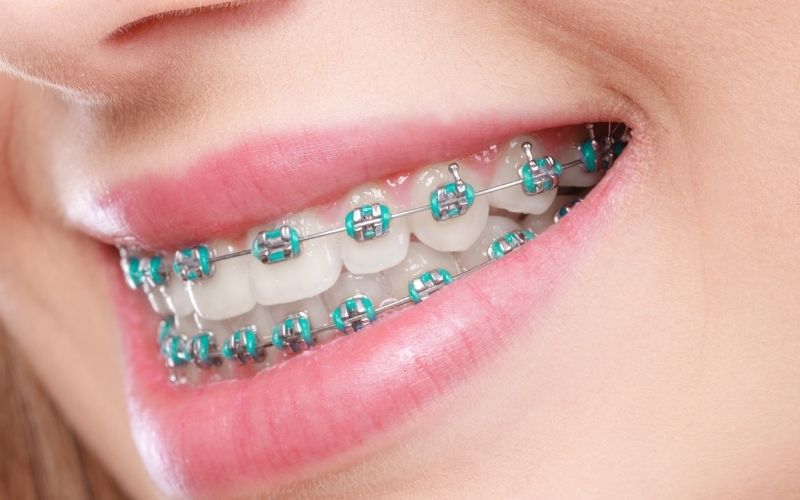
Aligning teeth is more than just improving appearance. Misaligned teeth—whether crowded, spaced, or rotated—are harder to clean. This can lead to plaque buildup, gum inflammation, and premature enamel wear. An uneven bite also strains the muscles and joints involved in chewing.
Orthodontic treatment helps correct these issues. While the cosmetic improvement is significant, the real advantage is restoring balance and function, improving hygiene access, and supporting long-term oral health.
Where Misalignment Comes From
- Genetics affecting jaw shape, arch form, and tooth size
- Early loss of primary teeth
- Thumb-sucking beyond early childhood
- Mouth breathing habits
- Abnormal swallowing patterns
Misalignment affects more than appearance. Crooked teeth are harder to keep clean, causing plaque accumulation, cavities, gum disease, and long-term inflammation that may progress to periodontitis.
How Braces Fix the Problem
Braces work by applying gentle, continuous forces that move teeth into healthier positions. Brackets are bonded to each tooth and connected by arch wires. These wires create pressure that stimulates bone remodeling, allowing teeth to shift.
Modern systems use stainless steel or low-visibility ceramic brackets made from glass-ceramic materials like lithium disilicate. Shape-memory wires help apply predictable force with fewer adjustments.
Most patients visit monthly for progress checks and wire changes. Treatment may last from a few months to two years depending on complexity. Afterward, retainers are essential to maintain results.
What Braces Do Beyond Straightening Teeth
- Improve bite function and chewing efficiency
- Enhance clarity of speech
- Reduce jaw tension and muscle strain
- Improve access for brushing and flossing
- Support healthier jaw growth in teens
- Assist adults in preparing for crowns, bridges, or implants
Things to Consider Before Treatment
- Active gum disease or untreated cavities must be addressed first
- Excellent oral hygiene is required throughout treatment
- Braces may cause temporary discomfort during adjustments
- Dietary changes are necessary—avoid hard, sticky, or chewy foods
- Regular follow-up visits are essential
Caring for Teeth During and After Treatment
Good oral hygiene is crucial with braces. Tools like floss threaders, interdental brushes, and water irrigators make cleaning around brackets easier. Brush at least twice a day with a soft-bristled brush angled toward the gumline and brackets.
The retention phase is just as important as active treatment. Without a retainer, teeth naturally drift back toward their original positions. Retainers may be removable or fixed behind the front teeth. Long-term consistency is key to maintaining results.
Conclusion: A Smart Investment in Long-Term Oral Health
Braces are more than a cosmetic treatment—they strengthen oral health, improve function, and provide long-term stability. By correcting alignment, improving hygiene access, and optimizing the bite, braces create a healthier foundation for life.
Start your personalized orthodontic evaluation today. Call 208-717-3771 to schedule your appointment.
Blog Post Author

Contributed by DentalROI
DentalROI provides relevant dental content to help providers educate patients. The statements, services, and products referenced in this article have not been evaluated by the Food and Drug Administration, and they are not intended as a substitute for professional medical advice, diagnosis, or treatment. Always seek the advice of your dental provider with any questions or issues you may have. Specific recommendations may vary in different circumstances, so individual consultation is important.