
What is an Orthodontist?
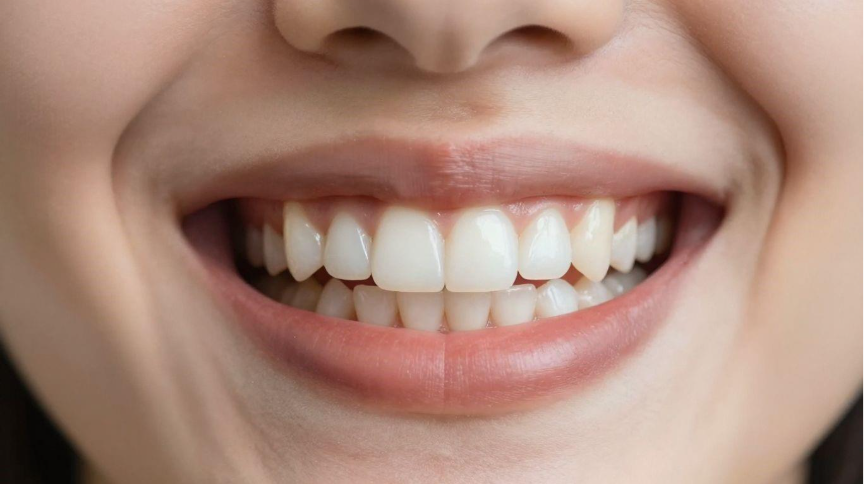
Have you ever wondered about the folks who help get your teeth and jaw lined up just right? That's where an orthodontist comes in. They're like the specialists for smiles, focusing on making sure everything in your mouth works well together, not just looks good. It's a whole lot more than just putting braces on; it's about fixing bite problems and making sure your teeth are healthy for the long run. Let's take a closer look at what an orthodontist does and why they're important.
Key Takeaways
- An orthodontist is a dentist with extra training focused on fixing teeth and jaw alignment issues.
- They treat problems like crooked teeth, overbites, underbites, and gaps between teeth.
- Orthodontists use tools like braces, clear aligners, and retainers to move teeth and guide jaw growth.
- Seeing an orthodontist can improve your ability to chew, speak, and clean your teeth, leading to better oral health.
- While many think of orthodontists for kids, adults can also benefit from their specialized care to improve their smile and bite.
What Is an Orthodontist?
So, what exactly is an orthodontist? Think of them as the specialists in the dental world who focus on making sure your teeth and jaws line up just right. They're dentists, sure, but they've gone through extra training specifically to deal with issues like crooked teeth, crowded smiles, or bites that don't quite meet properly. Their main goal is to improve how your teeth function and how your smile looks.
When we talk about what does an orthodontist do for teeth, it's all about alignment. They look at the big picture – not just individual teeth, but how everything fits together in your mouth. This includes addressing problems like overbites, underbites, and spaces between teeth. It's not just about aesthetics, though a straighter smile can certainly boost confidence. A proper bite makes eating, speaking, and even cleaning your teeth much easier, which is a big part of overall oral health.
What is the role of an orthodontist? They diagnose, prevent, and correct these misalignments. They're trained to spot potential problems early on, even before they become major issues. This is why dentists often recommend a visit to an orthodontist around age seven, to get a professional opinion on how things are developing. They use a variety of tools and techniques to gently guide your teeth into their correct positions. This is how does an orthodontist straighten teeth, using custom treatment plans tailored to each person's needs.
Orthodontists are dental professionals who have completed dental school and then gone on to complete an additional two to three years of specialized training in orthodontics and dentofacial orthopedics. This extra education focuses on the proper alignment of teeth and jaws.
Essentially, an orthodontist is your go-to expert for anything related to the alignment of your teeth and jaw. They help create healthier, more functional, and often more attractive smiles for people of all ages. If you're wondering about your bite or the alignment of your teeth, consulting with an orthodontist is the best next step.
Orthodontist vs. General Dentist: What’s the Difference?
You might be wondering what sets an orthodontist apart from your regular dentist. While both are dental professionals focused on your oral health, they have different areas of training and specialization. Think of it like this: a general dentist is like your primary care physician, handling a wide range of everyday health needs. An orthodontist, on the other hand, is a specialist, much like a cardiologist or dermatologist, focusing on a specific aspect of your health.
An orthodontist is a dentist who has completed additional years of specialized training focused specifically on straightening teeth and aligning jaws. This extra education goes beyond what a general dentist receives. After dental school, orthodontists undergo two to three years of intensive study and clinical practice in orthodontics and dentofacial orthopedics. This means they gain a deep understanding of how teeth move and how to guide jaw growth and development.
- General Dentist: Focuses on overall oral health, including preventative care (cleanings, exams), diagnosing and treating common dental issues like cavities, gum disease, and performing procedures like fillings, crowns, and bridges. They are your go-to for routine dental check-ups and immediate dental problems.
- Orthodontist: Specializes in diagnosing, preventing, and treating irregularities in the alignment of teeth and jaws, often referred to as malocclusion. They use appliances like braces, clear aligners, and retainers to correct bite problems, crowding, spacing, and jaw alignment issues.
So, while your general dentist keeps your teeth and gums healthy day-to-day, an orthodontist is the expert you see when you need to address how your teeth fit together or if they are crooked or crowded. They work to improve not just the appearance of your smile, but also its function and your overall oral health.
It's important to remember that orthodontists don't typically perform general dentistry procedures like fillings or root canals. Their focus is squarely on the alignment of your bite and the position of your teeth and jaws.
What Conditions Do Orthodontists Treat?
Orthodontists are specialists who focus on fixing problems with how your teeth and jaws line up. They deal with a variety of issues, often referred to as malocclusions, or bad bites. These aren't just about how your smile looks; they can also affect how you eat, speak, and even how easy it is to keep your mouth clean.
- Crowded teeth: This happens when there isn't enough space in your jaw for all your teeth to fit properly. Teeth might overlap or be pushed out of line.
- Overbites: When your upper front teeth stick out too far over your lower front teeth.
- Underbites: The opposite of an overbite, where your lower front teeth protrude beyond your upper front teeth.
- Crossbites: This occurs when your upper teeth don't come down in front of your lower teeth when you bite. Some upper teeth might be inside the lower ones.
- Open bites: A situation where your front or back teeth don't touch when your mouth is closed, leaving a gap.
- Spacing issues: Gaps between teeth that can be caused by missing teeth or teeth that are smaller than average.
- Misplaced midlines: When the center of your upper front teeth doesn't line up with the center of your lower front teeth.
- Impacted teeth: Teeth that are stuck in the jawbone and can't erupt properly.
These conditions can sometimes make it harder to chew food effectively, lead to extra wear on certain teeth, and make cleaning difficult, potentially increasing the risk of cavities and gum problems. An orthodontist's goal is to correct these alignments for better function and oral health.
Treatments Provided by Orthodontists
So, what treatments do orthodontists provide? When you visit an orthodontist, they're focused on fixing how your teeth and jaws line up. This isn't just about making your smile look nice, though that's a big part of it. It's also about making sure your bite works properly, which helps with eating, speaking, and keeping your teeth healthy long-term.
- Braces: These are probably the most well-known. Braces involve small brackets attached to each tooth, connected by a wire. This system gently guides teeth into their correct spots over time. Brackets can be made from metal, tooth-colored ceramic, or even clear materials for a less noticeable look.
- Clear Aligners: These are custom-made, transparent trays that fit over your teeth. You wear them for most of the day, taking them out only to eat and brush. Each set of aligners is worn for a couple of weeks before moving to the next, gradually shifting your teeth.
- Retainers: Once your teeth are in their desired position, retainers are key. They're usually worn after braces or aligners are removed. Retainers help keep your teeth from shifting back to where they were. Some are removable, while others might be fixed in place.
- Headgear and Facemasks: Sometimes, especially with younger patients whose jaws are still developing, external devices are used. Headgear or facemasks attach to braces and help guide jaw growth and correct significant bite issues like severe overbites or underbites.
The process usually starts with a thorough examination, including X-rays and models of your teeth. This helps the orthodontist figure out exactly what's going on and create a personalized plan just for you. They'll explain all the options and what to expect.
The goal is always to create a functional, healthy bite and a smile you feel good about.
Advantages of Seeing an Orthodontist
When you decide to see an orthodontist, you're not just aiming for a straighter smile, though that's a big part of it. There are several good reasons why people choose this specialized path for their dental care. It really comes down to getting the best possible outcome for your teeth and jaw alignment.
- Better Functionality: Correcting bite issues means your teeth work together properly when you chew and speak.
- Enhanced Appearance: A straight smile can boost your confidence and improve your facial symmetry.
- Long-Term Health: Addressing alignment problems now can prevent future issues like jaw pain or excessive tooth wear.
- Preventative Care: Orthodontists can spot potential problems early, especially in children, guiding jaw growth and tooth development to avoid more complex treatments later.
Getting treatment from an orthodontist means you're working with a dental professional who has dedicated years of extra training specifically to the complex issues of tooth and jaw alignment. This specialized focus is what sets them apart and why they are the go-to experts for these kinds of corrections.
It's also worth noting that while a general dentist is great for routine check-ups and fixing cavities, an orthodontist has the specific skills to handle the intricate movements of teeth and the development of the jaw. They use tools and techniques designed for these precise adjustments, aiming for a result that's not only straight but also stable and healthy for years to come.
Your Smile's Future
So, an orthodontist is basically a dentist who's gone the extra mile to really focus on how your teeth and jaw line up. They're the go-to folks for fixing things like crooked teeth, overbites, or gaps, and they can even spot potential issues before they become big problems. Whether you're thinking about braces, aligners, or just want to understand your smile better, talking to an orthodontist is a great step. They help make sure your bite works right, which is good for eating, speaking, and feeling good about how you look.
Frequently Asked Questions
-
What exactly does an orthodontist do?
An orthodontist is a dental expert who focuses on fixing teeth and jaw problems. They are like special dentists who help make your teeth straight and your bite work correctly. They can fix issues like crooked teeth, crowded teeth, or when your top and bottom teeth don't line up right.
-
How is an orthodontist different from a regular dentist?
Think of it this way: all orthodontists are dentists, but not all dentists are orthodontists. A regular dentist takes care of your overall mouth health, like filling cavities or cleaning teeth. An orthodontist has extra training specifically for moving teeth and straightening jaws. They deal with bite issues and alignment.
-
What kind of problems can an orthodontist fix?
Orthodontists can help with many issues. This includes teeth that are too close together (crowded), teeth that have big gaps between them, or when your upper teeth stick out too much over your lower teeth (overbite), or the opposite (underbite). They also fix jaw alignment problems.
-
What treatments do orthodontists use?
Orthodontists use special tools to move teeth. The most common ones are braces, which can be metal, ceramic, or clear. They also use clear aligners, which are like custom-made mouthguards. After treatment, patients often wear retainers to keep their teeth in the new, straight position.
-
Do orthodontists only treat kids?
No, orthodontists treat people of all ages! While many children and teenagers get braces, adults can also benefit greatly from orthodontic treatment. It's never too late to get a healthier, straighter smile.
-
Why is having straight teeth important?
Straight teeth are not just about looking good. When your teeth are aligned properly, it's easier to chew and speak. It also makes cleaning your teeth much simpler, which helps prevent cavities and gum disease. Plus, a confident smile can make you feel great!
Blog Post Author

Contributed by DentalROI
DentalROI provides relevant dental content to help providers educate patients. The statements, services, and products referenced in this article have not been evaluated by the Food and Drug Administration, and they are not intended as a substitute for professional medical advice, diagnosis, or treatment. Always seek the advice of your dental provider with any questions or issues you may have. Specific recommendations may vary in different circumstances, so individual consultation is important.