
What Is the Difference Between Ceramic Braces and Metal Braces?
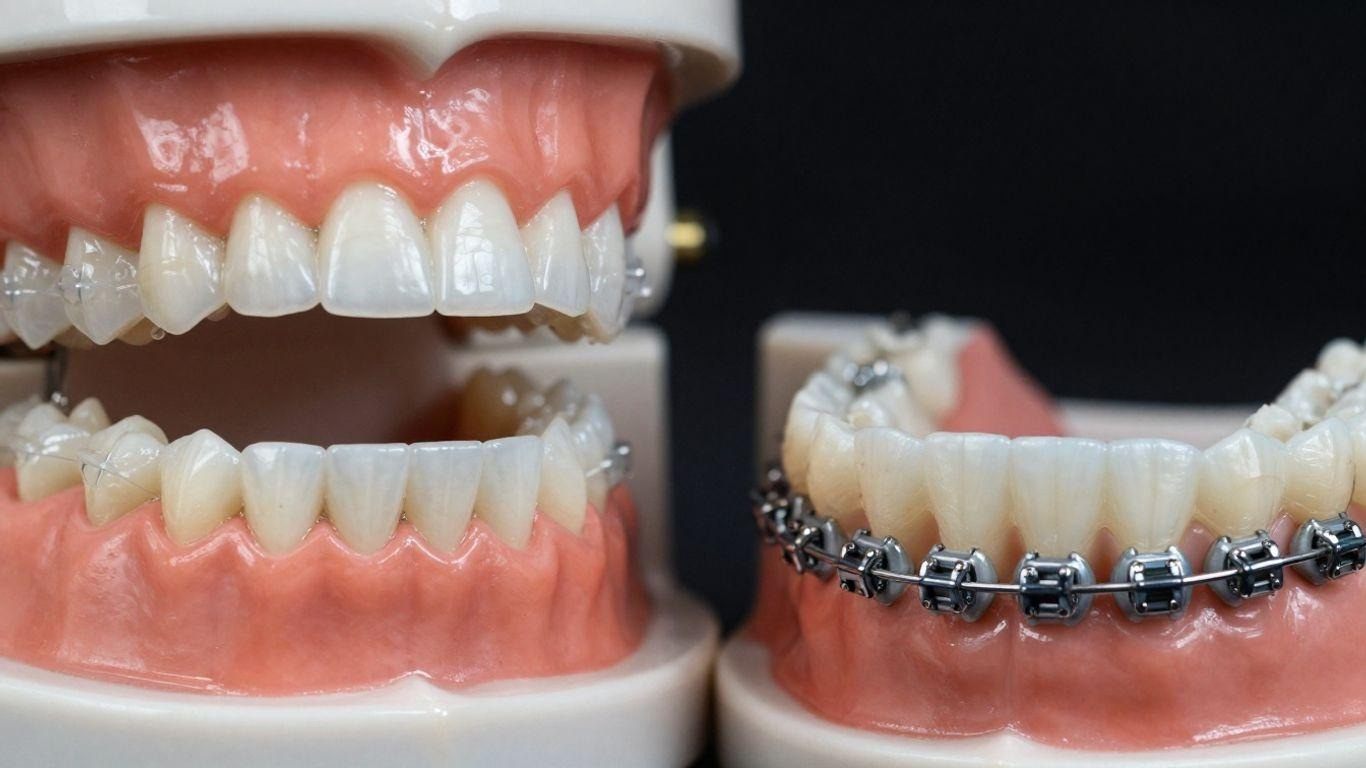
So, you're thinking about getting braces, huh? It's a big step towards a straighter smile, and one of the first big decisions you'll face is choosing between metal and ceramic. Let's break down the difference between ceramic braces and metal braces so you can figure out what works best for you.
Which type of braces is right for your lifestyle and budget?
When you're trying to decide, it really comes down to what's most important to you. Are you looking for something super discreet, or is budget your main concern? Both types do the same job of moving your teeth, but they go about it a little differently, and they look pretty different too.
Here's a quick rundown of the main differences:
- Appearance: This is usually the biggest factor. Metal braces are, well, metal. They're the classic shiny brackets and wires you probably remember from school. Ceramic braces, on the other hand, use brackets that are either clear or the same color as your teeth. They're designed to blend in much more, making them a popular choice for adults or anyone who feels self-conscious about visible braces.
- Durability: Metal braces are tough. They're made of strong stainless steel and can handle a lot of pressure, which is great for more complex tooth movements. Ceramic braces are also strong, but they can be a bit more brittle. This means you might need to be extra careful with hard or sticky foods to avoid chipping or breaking a bracket.
- Cost: Generally, ceramic braces tend to be a bit more expensive than metal braces. This is because the materials themselves cost more, and sometimes the treatment might take a little longer, adding to the overall cost.
- Treatment Time: For some people, metal braces might move teeth a tiny bit faster. This is because there's less friction between the metal wire and the bracket compared to ceramic. However, for many common cases, the difference in treatment time is pretty small, often just a few months.
Ultimately, both metal and ceramic braces are effective tools for straightening teeth. The "better" option really depends on your personal priorities, like how important appearance is to you, your budget, and the specific needs of your smile. It's always a good idea to chat with your orthodontist about what they recommend for your situation.
Choosing the right type is a personal decision, and understanding these key differences will help you feel more confident about your choice.
Ceramic Braces vs Metal Braces — Which Is Better?
So, you're trying to figure out ceramic braces vs metal braces, which is better? It's a common question, and honestly, there's no single 'best' answer that fits everyone. Think of it like choosing between a sturdy, reliable sedan and a sleek, sporty convertible. Both get you where you need to go, but they offer different experiences.
Do ceramic braces straighten teeth as fast as metal braces?
This is where things get interesting. Generally speaking, metal braces might have a slight edge when it comes to speed, especially for more complex cases. Why? Well, metal brackets and wires are super strong and can handle more pressure. This means your orthodontist can sometimes move teeth a bit more aggressively. Ceramic braces, while effective, are a bit more delicate. To avoid chipping or breaking them, your orthodontist might use gentler forces, which can sometimes mean a slightly longer treatment time.
However, for many people with moderate alignment issues, the difference in speed between ceramic braces vs metal braces might not be that noticeable. It really depends on what your teeth need.
Here's a quick rundown:
- Metal Braces: Often a bit faster, especially for tough jobs, due to their strength.
- Ceramic Braces: Can sometimes take a little longer because gentler forces are used to protect the brackets.
- Your Orthodontist's Plan: The actual speed of your treatment depends most on the specific plan your orthodontist creates for you.
It's important to remember that both types of braces are designed to move your teeth effectively. The goal is the same: a straight, healthy smile. The materials just offer different trade-offs in terms of appearance, durability, and sometimes, the pace of treatment.
When you're weighing ceramic braces vs metal braces, think about what matters most to you. Are you prioritizing a less visible look, or is getting the job done as quickly as possible the main thing? Talking it through with your orthodontist will help you figure out which type aligns best with your smile goals and your life.
Clear Ceramic Braces Pros and Cons You Should Know
So, you're thinking about ceramic braces, huh? They're pretty popular because, let's be honest, nobody really wants to walk around with a mouth full of metal. But like anything, they've got their good points and their not-so-good points. Let's break down the clear ceramic braces pros and cons.
The Upside: Why People Dig Ceramic Braces
- Looking Good: This is the big one. Ceramic brackets are made to match your tooth color or are totally clear. This means they blend in way better than metal ones. If you're an adult or a teen who's a bit self-conscious about how braces look, this is a huge win. You get that straighter smile without the "tin grin" effect.
- Feeling Okay: Many folks find ceramic brackets smoother than metal ones. This can mean less irritation against your cheeks and lips. It's not a massive difference for everyone, but it's a plus if you're sensitive.
- Still Works Great: Don't let the material fool you. Ceramic braces use the same tech as metal braces to move your teeth. For most alignment issues, they work just as well. You get the same effective treatment, just with a more subtle look.
The Downside: What to Watch Out For
- They're More Delicate: This is probably the biggest con. Ceramic isn't as tough as metal. The brackets can chip or even break if you're not careful. This means you really need to watch what you eat – think softer foods and avoiding anything super crunchy or hard.
- Staining Can Happen: While the brackets themselves are pretty good at resisting stains, the little elastic bands that hold the wire in place can pick up color. Coffee, tea, red wine, and even some sauces can leave their mark. So, you might need to be extra mindful of your diet or brush right after eating staining foods.
- Cost More: Yep, usually you'll pay more for ceramic braces than for metal ones. The materials are pricier, and sometimes the treatment can take a little longer because the orthodontist might be more cautious with the forces applied to avoid breaking the brackets.
- Potential for Tooth Wear: If you get ceramic braces on your bottom teeth, there's a chance they could wear down the enamel on your top teeth over time. Because of this, many orthodontists suggest using metal braces on the bottom teeth even if you opt for ceramic on top.
When you're weighing the pros and cons, think about your daily habits and what's most important to you. If a discreet appearance is your top priority and you're willing to be extra careful with your diet and habits, ceramic braces could be a fantastic choice. But if you're worried about breaking them or the higher cost, metal might be a better fit.
Here's a quick rundown:
| Feature | Ceramic Braces | Metal Braces |
|---|---|---|
| Appearance | Tooth-colored/clear, less noticeable | Very noticeable |
| Durability | More fragile, prone to chipping/breaking | Very strong, durable |
| Staining | Possible (especially elastics) | Not an issue |
| Cost | Typically higher | More affordable |
| Comfort | Often smoother, potentially more comfortable | Can sometimes be rougher |
| Treatment | Effective, may be slightly slower | Effective, often faster in complex cases |
Are Ceramic Braces as Effective as Metal Braces?
So, the big question is: are ceramic braces as effective as metal braces? When it comes down to it, both types of braces are designed to do the same thing – straighten your teeth and give you that awesome smile. For most people with mild to moderate alignment issues, ceramic braces work just as well as their metal counterparts. They use the same principles of applying gentle pressure to move teeth over time.
What does orthodontic research say about their effectiveness?
Research generally shows that both metal and ceramic braces can achieve excellent results. The main differences aren't usually in the final outcome, but more in how we get there and potential hiccups along the way. Think of it like this: both a sedan and an SUV can get you to your destination, but one might handle rougher terrain better, and the other might be a bit more stylish on the highway.
Here's a quick rundown:
- Effectiveness: For many common alignment problems, the effectiveness is pretty much neck-and-neck. Your orthodontist can correct your bite and straighten your teeth with either type.
- Treatment Time: Sometimes, metal braces might be a tiny bit faster. This is because the metal brackets and wires can sometimes create less friction, allowing teeth to slide into place a bit more smoothly. For many people, though, this difference is so small it's barely noticeable – maybe a few weeks or a month at most.
- Complex Cases: In really tricky or severe cases, orthodontists might lean towards metal braces. They're generally a bit stronger and can handle more intense forces without issues, giving the orthodontist a bit more control.
While both types of braces are effective, the choice often comes down to factors beyond just straightening power. Things like durability, appearance, and how well you can care for them play a big role in the overall treatment experience and success.
So, while the effectiveness in terms of straightening teeth is comparable for most situations, the experience and durability can differ. It's always best to chat with your orthodontist about your specific needs. They can look at your teeth and tell you which option will work best for your smile journey.
Ceramic Braces Cost and Durability — Is the Upgrade Worth It?
So, you're thinking about going with ceramic braces, but you're wondering about the price tag and how tough they really are. It's a fair question! When we look at ceramic braces cost and durability comparison, it's pretty clear they're a bit different from their metal counterparts.
Generally, ceramic braces are going to set you back more than metal ones. We're talking a range that can go from about $4,000 to $8,000, sometimes even more, depending on where you live and how complex your bite is. Metal braces, on the other hand, usually fall somewhere between $3,000 and $7,000. This difference in price comes down to the materials used – ceramic is just more expensive to make.
Here's a quick rundown:
- Cost: Ceramic braces typically cost more upfront.
- Durability: Metal braces are generally stronger and less likely to break.
- Maintenance: Both need good cleaning, but ceramic brackets can be more fragile.
Speaking of durability, ceramic brackets are more brittle than metal. This means you've got to be a little more careful with what you eat. Think less crunchy apples and hard candies, and more soft foods. If a bracket chips or breaks, it's not just an inconvenience; it can actually slow down your treatment time because your orthodontist needs to fix it. Plus, while the ceramic itself doesn't stain, the little elastic bands holding the wire in place can pick up colors from coffee, tea, or even certain foods. They usually get changed out every few weeks anyway, which helps keep things looking fresh, but it's something to keep in mind.
While the aesthetic appeal of ceramic braces is a big plus for many, it's important to weigh that against the potential for higher costs and the need for a bit more careful handling. Your orthodontist can help you figure out if the benefits outweigh the drawbacks for your specific situation.
So, is the upgrade worth it? It really depends on what you prioritize. If blending in is super important to you and you're willing to be a bit more mindful of your eating habits and the potential for slightly longer treatment in some cases, then maybe yes. But if you're looking for the most robust and budget-friendly option, metal braces might still be the way to go.
Wrapping It Up
So, what's the big deal between ceramic and metal braces? Basically, it comes down to what you want and need. Metal braces are tough, usually cheaper, and can get the job done fast, but they're pretty noticeable. Ceramic braces look way more subtle, blending in with your teeth, but they can be a bit more fragile and often cost more. Think about your budget, how important looks are to you, and what your orthodontist recommends based on how crooked your teeth are. Both can give you that awesome smile, it's just about picking the right tool for your specific situation.
Frequently Asked Questions
What's the main difference between ceramic and metal braces?
The biggest difference is what they're made of. Metal braces use shiny steel brackets, while ceramic ones use clear or tooth-colored brackets. This means ceramic ones are way less obvious on your teeth.
Are ceramic braces as strong as metal braces?
Nope, metal braces are tougher. Ceramic braces are a bit more delicate and can chip or crack easier, especially if you bite into something hard. Metal ones can handle more pressure, which is good for really tricky tooth movements.
Do ceramic braces get stained easily?
The ceramic brackets themselves usually don't stain, but the little rubber bands that hold the wire can get stained by things like coffee, tea, or curry. It's a good idea to be careful with colorful foods and drinks.
Which type of braces is faster?
Often, metal braces can move teeth a little faster because there's less friction. This might mean your treatment could be a few months shorter with metal braces compared to ceramic ones, but it really depends on your teeth.
Are ceramic braces more expensive?
Yes, generally ceramic braces cost more than metal braces. The materials are pricier, and sometimes repairs can add up if a bracket breaks. Insurance might also cover metal braces more readily.
Which type of braces should I choose?
It really depends on you! If you want braces that are hard to see and your teeth issues aren't too complex, ceramic might be great. If durability and cost are your main concerns, or if you have really challenging bite problems, metal braces are likely a better bet. Chat with your orthodontist to figure out the best fit for your smile and lifestyle.
Blog Post Author

Contributed by DentalROI
DentalROI provides relevant dental content to help providers educate patients. The statements, services, and products referenced in this article have not been evaluated by the Food and Drug Administration, and they are not intended as a substitute for professional medical advice, diagnosis, or treatment. Always seek the advice of your dental provider with any questions or issues you may have. Specific recommendations may vary in different circumstances, so individual consultation is important.