
What Is Phase 1 Orthodontic Treatment and Does Your Child Need It?
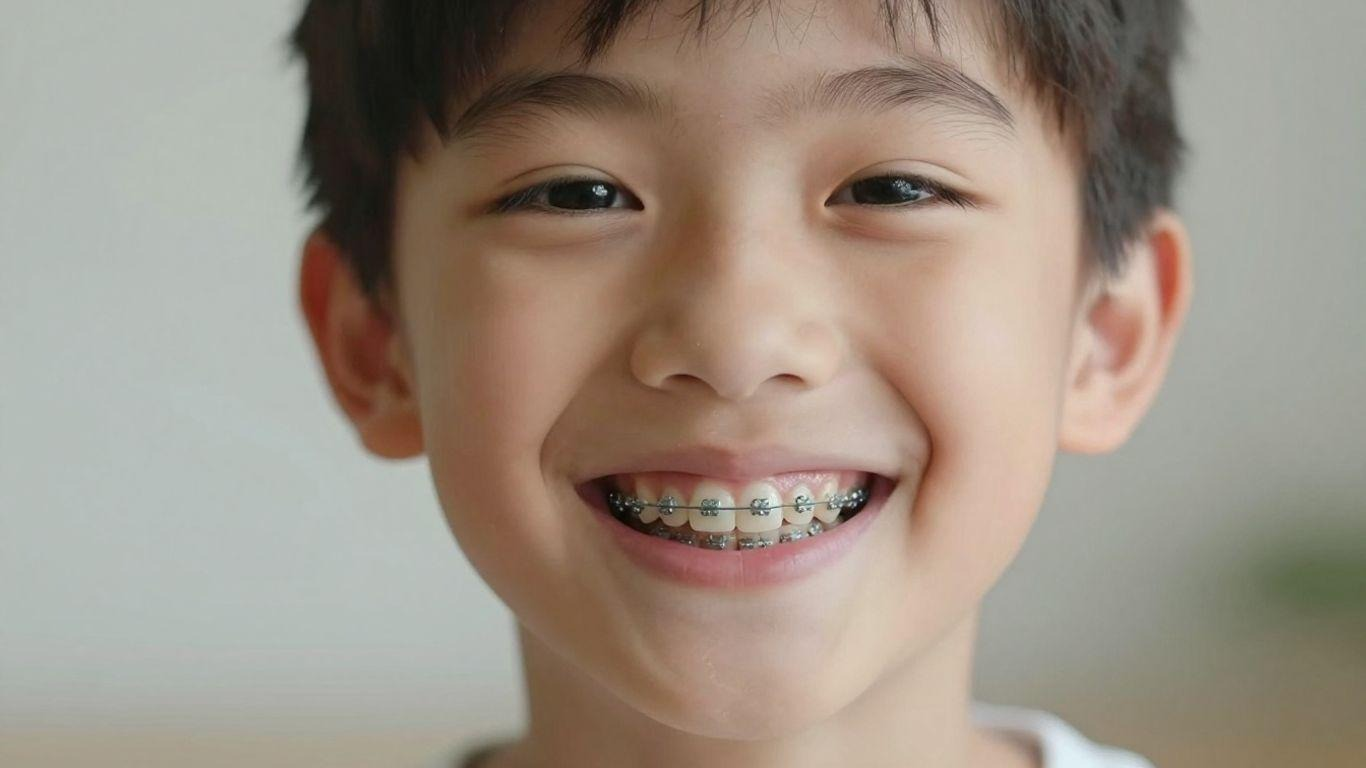
So, what exactly is Phase 1 orthodontic treatment? Think of it as a proactive approach to your child's dental health, often called "interceptive orthodontics." It's not about getting a full set of braces for your kiddo just yet, but rather about addressing potential issues early on, while their mouth is still developing. This phase usually happens when a child still has a mix of baby teeth and some permanent teeth coming in, typically between the ages of 6 and 10. The main idea is to guide the growth of the jaw and make sure there's enough space for those adult teeth to come in without a major traffic jam.
At what age does Phase 1 orthodontic treatment typically begin?
Phase 1 orthodontic treatment usually kicks off when a child is around 6 to 10 years old. This is a sweet spot because their jaw is still growing, and many baby teeth have fallen out, making way for permanent ones. It's during this "mixed dentition" phase that an orthodontist can really make a difference by influencing how the jaws develop and how the permanent teeth erupt. It's a good idea to have your child see an orthodontist by age 7, just to catch any developing issues early.
- Early detection is key: Catching problems when the jaw is still growing is much easier to manage.
- Guides permanent teeth: Helps create space and directs adult teeth into their proper spots.
- Corrects jaw growth: Addresses issues where the upper or lower jaw isn't developing as it should.
This early intervention isn't always necessary, but when it is, it can prevent more complex problems down the road, potentially avoiding the need for more extensive treatment later on. It's all about setting up your child's smile for long-term success.
Some common tools an orthodontist might use during Phase 1 include:
- Palate expanders to widen the upper jaw.
- Limited braces on specific teeth to guide eruption or correct minor crowding.
- Space maintainers to keep gaps open for incoming permanent teeth.
- Functional appliances to influence jaw growth.
Phase 1 vs Phase 2 Orthodontic Treatment — Key Differences
So, you've heard about Phase 1 and Phase 2 orthodontic treatment, and maybe you're wondering what the big deal is. Are they totally different things, or just parts of the same journey? Let's break down the phase 1 vs phase 2 orthodontic treatment difference.
Does every child who has Phase 1 also need Phase 2?
Not necessarily! Think of Phase 1 as a "tune-up" or "foundation building" for your child's smile. It's all about addressing specific issues early on, usually when a child still has a mix of baby and permanent teeth. The main goal here is to guide jaw growth and make sure there's enough space for those adult teeth to come in without a major fuss. Sometimes, a successful Phase 1 treatment can actually prevent the need for a full Phase 2 treatment later.
However, if Phase 1 treatment corrects a specific problem, but other alignment issues remain or pop up later as more permanent teeth erupt, then Phase 2 is likely needed. Phase 2 is what most people picture when they think of braces – straightening all the teeth and perfecting the bite. It's the more comprehensive part of the treatment.
Here's a quick look at what each phase typically involves:
- Phase 1 (Early Interceptive Treatment):
- Usually happens between ages 6-10.
- Focuses on guiding jaw growth and creating space for permanent teeth.
- May involve appliances like expanders, space maintainers, or limited braces on a few teeth.
- Aims to fix specific problems like crossbites or severe crowding before they get worse.
- Phase 2 (Comprehensive Treatment):
- Typically starts around age 11-12, once most permanent teeth are in.
- Involves straightening all the teeth and correcting the bite.
- Usually involves full braces on the upper and lower teeth.
- This is the phase that addresses the overall alignment and aesthetics of the smile.
The decision for one or both phases is super individual. Your orthodontist will look at your child's specific situation, like how their jaw is growing and how their teeth are erupting, to figure out the best plan. It's not a one-size-fits-all deal.
So, while Phase 1 sets the stage and tackles early issues, Phase 2 is often the main event for getting that perfectly straight smile. Sometimes, Phase 1 makes Phase 2 much quicker and simpler, but other times, it's just the first step in a longer orthodontic journey.
When Does a Child Need Phase 1 Orthodontics?
So, when does a child actually need Phase 1 orthodontics? It's not for every kid, and it's definitely not just about getting braces early because friends have them. Think of Phase 1, also called interceptive orthodontics, as a proactive step to fix specific, significant issues while a child is still growing. This early intervention is usually recommended when there's a clear problem with jaw development or tooth alignment that could get much trickier to fix later on.
What Bite or Jaw Issues Make Early Treatment Necessary?
Several things can signal that Phase 1 treatment might be a good idea. It's often about addressing problems that could impact how the jaws grow or how permanent teeth come in. Some common culprits include:
- Severe Crossbites: This happens when upper teeth bite on the inside of lower teeth. It can affect jaw growth and even wear down teeth unevenly.
- Significant Overbites: If the upper front teeth stick out a lot, it's not just about looks; these teeth are more prone to chipping or breaking.
- Underbites: When the lower front teeth protrude in front of the upper teeth, it can indicate a jaw growth issue.
- Crowding: If there's not enough space for the permanent teeth to come in properly, early treatment can help create that space.
- Open Bites: This is when the front or back teeth don't touch when the mouth is closed, which can affect eating and speech.
- Jaw Growth Problems: Sometimes, one jaw might be growing too much or not enough compared to the other. Phase 1 can help guide this growth.
The goal here isn't just to straighten teeth for a pretty smile, though that's a nice bonus. It's primarily about creating a healthier foundation for your child's permanent teeth and ensuring their jaws develop as they should. This can prevent more complex problems down the road, like the need for tooth extractions or even jaw surgery later in life.
Your child's regular dentist is often the first to spot these issues during check-ups. They'll usually refer you to an orthodontist if they see something that warrants a closer look. The orthodontist will then assess if your child's specific situation would benefit from early intervention, considering their growth patterns and the severity of the problem.
Early Orthodontic Treatment Phase 1 Benefits for Children
So, why bother with Phase 1 orthodontics? Think of it like building a house. You wouldn't start putting up walls without a solid foundation, right? Phase 1 treatment is all about laying that strong groundwork for your child's smile and bite. It's not just about making teeth look straighter now; it's about setting them up for a healthier mouth and a simpler orthodontic journey later on.
How does Phase 1 treatment make future orthodontics easier?
This early intervention can seriously streamline things down the road. By addressing certain issues while your child is still growing, we can often prevent more complex problems from developing. This means:
- Creating Space: Many kids have crowded teeth because their jaws are a bit too small. Phase 1 can involve using appliances to gently widen the jaw, making room for permanent teeth to come in without getting all squished. This can mean fewer or no extractions needed later.
- Guiding Jaw Growth: If a child's upper and lower jaws aren't growing in sync, it can lead to bite problems like underbites or overbites. Phase 1 appliances can help guide this growth, encouraging a more balanced development. This can sometimes even avoid the need for jaw surgery down the line.
- Correcting Bad Habits: Habits like thumb-sucking or tongue thrusting can really mess with tooth and jaw alignment. Phase 1 treatment can help intercept these habits and correct the damage they've already done.
- Improving Function: Sometimes, bite issues don't just look off; they can make it hard to chew properly or even affect speech. Early treatment can fix these functional problems, making eating and talking easier.
The early orthodontic treatment phase 1 benefits for children are pretty significant. It's about working with a child's natural growth, not against it. This proactive approach can lead to less overall treatment time, fewer complex procedures, and a better final result.
Essentially, Phase 1 is like a tune-up for your child's developing bite and smile. It can make the need for Phase 2 (braces for all permanent teeth) less intensive, shorter, or sometimes even unnecessary. It's a smart way to invest in their long-term oral health and confidence.
Signs Your Child Needs Phase 1 Treatment — What Parents Should Watch For
Okay, so how do you know if your kiddo might need some early orthodontic attention? It's not always obvious, but there are definitely some clues. Paying attention to how your child's teeth and jaw are developing is key.
Sometimes, it's pretty straightforward. If you notice your child has a bite that just doesn't seem right, that's a big sign. This could mean their upper teeth stick out way too far over the lower ones (an overbite), or the lower teeth are in front of the upper ones (an underbite). It's not just about looks; these bite issues can sometimes make it hard to chew properly or even affect how they speak.
Here are some common things to look out for:
- Crowded Teeth: Even before all the adult teeth are in, you might see that there just isn't enough room for them. They might be overlapping or coming in at weird angles.
- Crossbite: This happens when the upper teeth don't come down in front of the lower teeth when biting. It can affect front teeth or back teeth, and it's something that often needs early correction.
- Open Bite: When your child bites down, are there gaps between their front or back teeth? This means they can't quite get their teeth to meet properly.
- Jaw Issues: Does your child's jaw seem to be growing unevenly? Maybe one side is more developed than the other, or it seems to be shifting to one side when they bite.
- Thumb Sucking or Pacifier Habits: If these habits continue past a certain age (usually around 4 or 5), they can actually start to affect how the teeth and jaw develop, leading to issues like protruding front teeth.
It's easy to think, 'Oh, they're just kids, their teeth will sort themselves out.' And sometimes, that's true! But for certain problems, intervening early can make a world of difference. It's like fixing a small crack in a wall before it becomes a huge structural issue. Catching these things early means we can often guide growth and development in a way that's much simpler and less invasive down the road.
Don't hesitate to bring up any concerns you have with your child's dentist. They can spot these signs during regular check-ups and will let you know if a referral to an orthodontist for Phase 1 treatment might be a good idea.
Conclusion
So, figuring out if your child needs Phase 1 orthodontic treatment comes down to watching for the right signs and talking to your orthodontist. Not every kid needs early braces, but for some, it can really make a difference. It’s all about catching problems early, like crowding or jaw issues, before they turn into bigger headaches. If you’re unsure, just ask your dentist or orthodontist—they’ll guide you. At the end of the day, every child’s smile is different, so what works for one might not be right for another. But now you know what to look for and what questions to ask, so you’re ready to help your child if they need it.
Frequently Asked Questions
What is Phase 1 orthodontic treatment?
Phase 1 orthodontic treatment is an early type of braces or appliances for kids, usually between ages 6 and 10, to help guide jaw growth and make space for adult teeth.
Does every child need Phase 1 treatment?
Nope! Only kids with certain bite or jaw issues need Phase 1. Most kids just need regular braces later, if at all.
How long does Phase 1 treatment usually last?
It usually lasts about 9 to 12 months, but sometimes it can be a bit shorter or longer depending on the child’s needs.
Will my child still need braces after Phase 1?
Maybe. Some kids need Phase 2 braces later, but Phase 1 can make the second round much easier and shorter.
What are signs my child might need early orthodontics?
Watch for crowded teeth, trouble biting or chewing, losing baby teeth too soon or too late, or jaw shifting when they talk or eat.
Is early orthodontic treatment painful?
It can be a little uncomfortable at first, like any braces, but most kids get used to it quickly. The orthodontist will help manage any pain.
Blog Post Author

Contributed by DentalROI
DentalROI provides relevant dental content to help providers educate patients. The statements, services, and products referenced in this article have not been evaluated by the Food and Drug Administration, and they are not intended as a substitute for professional medical advice, diagnosis, or treatment. Always seek the advice of your dental provider with any questions or issues you may have. Specific recommendations may vary in different circumstances, so individual consultation is important.