
What Happens If You Skip Wearing Your Retainer
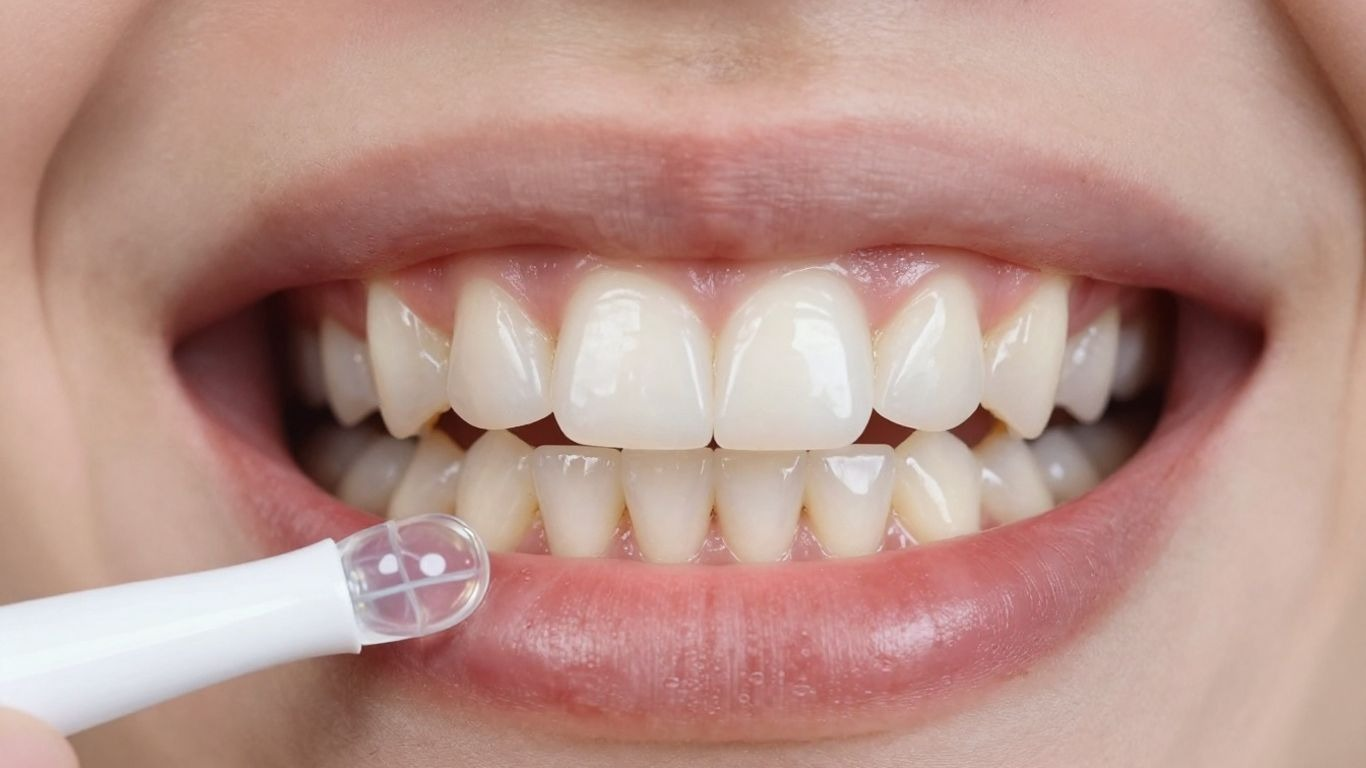
So, you've finished your braces or aligner journey, and your smile looks amazing. High five! But here's the thing: your teeth aren't quite ready to settle down just yet. They've been moved around, and the bone and gums around them need a little time to get used to their new spots. That's where your retainer comes in – it's like a trusty bodyguard for your straight teeth.
But life happens, right? Maybe you're on vacation, or you just plain forgot to pop it in one night. You might be wondering, "What happens if you skip wearing your retainer?" Or perhaps you've gone a bit longer, and now you're thinking, "What happens if you stop wearing a retainer for weeks or months?" Let's break it down.
Will teeth move if the retainer is not worn regularly?
Yep, they sure can. Think of your teeth as having a bit of muscle memory. After all that work to get them straight, they'll naturally want to drift back to where they started if they don't have that retainer holding them in place. It's not usually a dramatic overnight thing, but consistent skipping definitely leads to movement.
- First few days: You might notice your retainer feels a little snug when you put it back in. No biggie, usually.
- After a week: It might start to feel uncomfortable, or not quite fit right. Small shifts are likely happening.
- A month or more: This is when you could see more noticeable changes. Gaps might reappear, or your bite could feel a bit off. The longer you go, the more your teeth will try to revert.
It's important to remember that teeth are always on the move, even in adults. Factors like chewing, grinding, and even just the natural aging process put pressure on your teeth. Without a retainer, this pressure can easily push them back towards their original positions over time.
Skipping your retainer, even for short periods, can set back the progress you worked so hard for. It's a bit like training for a marathon and then deciding to skip the last few weeks of training – you might finish, but it's going to be a lot tougher.
Top Consequences of Not Wearing Your Retainer
So, you've finished your braces or aligner journey, and your smile looks amazing. Awesome! But here's the thing: your teeth aren't just going to stay put on their own. That's where retainers come in. They're like the security guards for your newly straightened teeth. If you start skipping them, even for a little while, things can start to go sideways. Let's talk about the real consequences of not wearing your retainer.
What happens if you stop wearing a retainer for weeks or months
Life happens, right? Maybe you're traveling, or you just plain forgot. Whatever the reason, if you stop wearing your retainer for a significant chunk of time – think weeks or months – your teeth will likely start to drift back. It's a process called relapse, and it's super common. The longer you go without it, the more noticeable the changes will be.
Here's a rough idea of what can happen:
- A few weeks: Your retainer might start feeling snug or uncomfortable. Small shifts are probably happening, especially if certain teeth were tricky to move in the first place.
- A month or more: This is when things can get more obvious. You might see gaps reappearing, or your bite might feel "off." Your retainer might not fit at all anymore.
- Several months: Now you're likely looking at significant changes. The original problem you had with your teeth might start showing up again. In some cases, you might even need to go back to some form of orthodontic treatment.
The biggest consequence is that your hard-earned straight smile can start to undo itself.
Don't try to force a retainer that doesn't fit anymore. It's custom-made for your teeth's current position. Jamming it back in could cause pain, chip your teeth, or even mess up your bite further. It's better to get it checked out.
It's not just about how your teeth look, either. When teeth shift, it can affect how you chew and even how your jaw feels. Plus, crowded or misaligned teeth can be harder to clean, potentially leading to other dental issues down the road. So, yeah, skipping that retainer isn't just a minor inconvenience; it can have some pretty real effects on your smile and oral health.
Teeth Shifting After Skipping Retainer: What to Expect
So, you've been a bit lax with your retainer. Maybe you forgot it on a trip, or perhaps it just felt like a hassle for a few nights. It happens! But what's actually going on inside your mouth when you skip this crucial step? The truth is, your teeth are probably already starting to make a break for it.
Think of your teeth like little kids who've just been told to sit still. They've been in a new, tidy arrangement thanks to braces or aligners, but they're still a bit restless. The bone and tissues around them need time to settle down and get used to their new spots. Your retainer is basically the gentle but firm reminder to stay put.
Signs Your Teeth Are Already Moving Back
How do you know if your teeth are starting to get wanderlust? It's not always a dramatic, overnight change. Often, it's more subtle at first.
- Your retainer feels tight: This is the most common sign. When you try to pop your retainer in after a break, and it feels snug, or you have to wiggle it into place, that's your teeth telling you they've shifted a bit.
- Slight gaps appear: You might notice small spaces between teeth that were previously touching. This is especially true for front teeth that were crowded before treatment.
- Your bite feels 'off': Sometimes, you might not see a visible gap, but when you bite down, it just doesn't feel quite right. It’s like a puzzle piece that’s slightly out of place.
- Discomfort when wearing the retainer: If putting your retainer in causes actual pain, that's a pretty clear indicator that your teeth have moved enough to resist the appliance.
It's important to remember that teeth shifting after skipping a retainer can start happening surprisingly quickly. While a day or two might not cause much noticeable change, going a week or more can lead to your retainer no longer fitting comfortably, or even at all. The longer you wait, the more significant the shifts can become.
If you've gone weeks or even months without wearing your retainer, the changes might be more noticeable. You could see gaps reopening, teeth looking crooked again, or your bite feeling significantly different. It's like the orthodontic clock is ticking backward, and the longer you ignore it, the more work it might take to get things back on track.
Can You Fix Teeth That Shifted After Skipping a Retainer?
So, you've been a bit lax with your retainer, and now your teeth are staging a rebellion. Don't panic! It's usually possible to fix teeth that have shifted, but the solution depends on how much they've moved. Think of it like this: a minor detour is easier to correct than a complete change of direction.
New retainers, aligners, and orthodontic options
If you've only skipped wearing your retainer for a short while, say a few weeks or maybe a month, your teeth might have shifted a little. You might notice your retainer feels snug or even a bit painful when you try to put it in. If this is the case, don't force it! Trying to jam a retainer onto teeth that have moved can cause pain, chip your teeth, or even make them shift in the wrong direction. Yikes.
Instead, the best move is to call your orthodontist. They can take a look and see exactly what's going on. Sometimes, all you need is a new retainer that's molded to your teeth's current position. This is a pretty common fix and way less hassle than starting orthodontic treatment all over again.
However, if you've gone months without your retainer, or if your teeth have moved quite a bit, you might be looking at a few more options:
- New Retainer: If the shift is minor, a new, custom-made retainer might be enough to hold your teeth in their new spots and prevent further movement.
- Refresher Course with Aligners: For more noticeable shifts, your orthodontist might suggest a short round of clear aligners. These are designed to gently guide your teeth back into place without the full commitment of traditional braces.
- Limited Braces Treatment: In cases where the shifting is significant, a shorter course of traditional braces might be necessary to get everything back in line.
It's important to remember that your teeth are always trying to move back to their original positions, even years after you've finished braces. That's why retainers are so important for keeping that smile straight long-term. Skipping wear, even for a little while, can undo all that hard work.
The key takeaway here is to act fast. The sooner you address any shifting, the easier and less expensive it will be to fix. So, if your retainer isn't fitting right, don't delay – get in touch with your orthodontist!
How to Keep Your Teeth Straight and Avoid Retainer Mistakes
So, you've gone through the whole braces or aligner journey and ended up with a smile you love. Awesome! But here's the thing: your teeth aren't just going to stay put on their own. That retainer you were given? It's not just a souvenir; it's your ticket to keeping that straight smile for good. Think of it as the final, super important step.
Consistency is the name of the game when it comes to retainers. Skipping a night here and there might not seem like a big deal, but over time, those little lapses can add up. Your teeth are naturally a bit stubborn and will try to drift back to where they were. It’s like they have a mind of their own!
Here’s a breakdown of how to make sure your retainer routine sticks:
- Make it a habit: Try to put your retainer in at the same time every night. Linking it to another nightly activity, like brushing your teeth, can really help.
- Keep it safe: Always store your retainer in its case when you're not wearing it. This prevents it from getting lost, stepped on, or otherwise damaged. A lost retainer means a trip back to the orthodontist.
- Clean it regularly: Just like your teeth, your retainer needs a good clean. Use a soft brush and some mild soap or retainer cleaner. This keeps it fresh and prevents any funky smells or bacteria buildup.
- Take it with you: If you're going to be out for a while and need to take your retainer out to eat, make sure you have its case handy to put it in. Don't just wrap it in a napkin – that's how they disappear!
If you've been slacking on your retainer wear for a while, don't just try to jam it back in. If it feels super tight or painful, that's a sign your teeth have moved. Forcing it could actually cause damage. It's better to reach out to your orthodontist to see what your options are.
Remember, your retainer is the key to maintaining the results of all your orthodontic work. A little effort now means a lifetime of smiling with confidence. If you've lost your retainer, it's broken, or you're just not sure if it still fits right, don't wait. Give your orthodontist a call. They can help you get back on track, whether that means a new retainer or a quick check-up.
So, What's the Takeaway?
Look, nobody's perfect, and sometimes life just gets in the way of wearing your retainer every single night. It happens. But the main thing to remember is that your teeth really do have a mind of their own, and they'll try to drift back to where they started if you let them. If you've skipped a few nights, don't panic, just try to get back on track. If it's been a while and your retainer feels super tight or just doesn't fit anymore, don't force it. Seriously, just call your orthodontist. They've seen it all before and can help you figure out the best next step, whether that's a new retainer or something else. It's way better than trying to jam an old one in and potentially causing more problems. Keep that smile looking great! Skipping your retainer can cause your teeth to shift back to their original position, undoing your hard work. Contact our office immediately if your retainer feels tight or if you’ve lost it, so we can help keep your smile perfectly aligned. Visit Swenson Family Orthodontics today to ensure your beautiful results last a lifetime.
Frequently Asked Questions
What happens if I forget to wear my retainer for just one night?
Missing your retainer for a single night usually isn't a big deal. Your teeth likely won't shift much. However, if this happens often, it's a good idea to check with your orthodontist to make sure everything is still on track.
Is it okay to skip my retainer for a few days?
Skipping your retainer for a day or two is generally fine. But if you go longer than that, your teeth might start to move. Retainers are specifically designed to hold your teeth in place, so extended breaks can cause issues.
My retainer feels tight after not wearing it for a week. What should I do?
If your retainer feels tight after a week off, it's a sign that your teeth have started to shift a little. You might be able to ease back into wearing it by putting it in for shorter periods and gradually increasing the time. If it's too uncomfortable or painful, don't force it.
What if I haven't worn my retainer for several months?
If you haven't worn your retainer for months, your teeth have probably moved quite a bit. Trying to force your old retainer back in could hurt your teeth or gums. It's best to contact your orthodontist. They can check how much your teeth have shifted and figure out the best solution, which might be a new retainer or even a short round of treatment.
Can I still use my old retainer if my teeth have moved?
It's generally not recommended to force an old retainer if your teeth have shifted significantly, especially after months or years. You could cause damage. Your best bet is to see your orthodontist. They can assess the situation and either adjust your old retainer or create a new one that fits your current smile.
How long do I need to wear my retainer after braces?
The time you need to wear your retainer varies for everyone. Many orthodontists suggest wearing it full-time for the first few months after braces, then switching to wearing it only at night. Some people may need to wear it for years, or even opt for permanent retainers, to keep their smile just right.
Blog Post Author

Contributed by DentalROI
DentalROI provides relevant dental content to help providers educate patients. The statements, services, and products referenced in this article have not been evaluated by the Food and Drug Administration, and they are not intended as a substitute for professional medical advice, diagnosis, or treatment. Always seek the advice of your dental provider with any questions or issues you may have. Specific recommendations may vary in different circumstances, so individual consultation is important.