
What Age Should Kids Get Braces
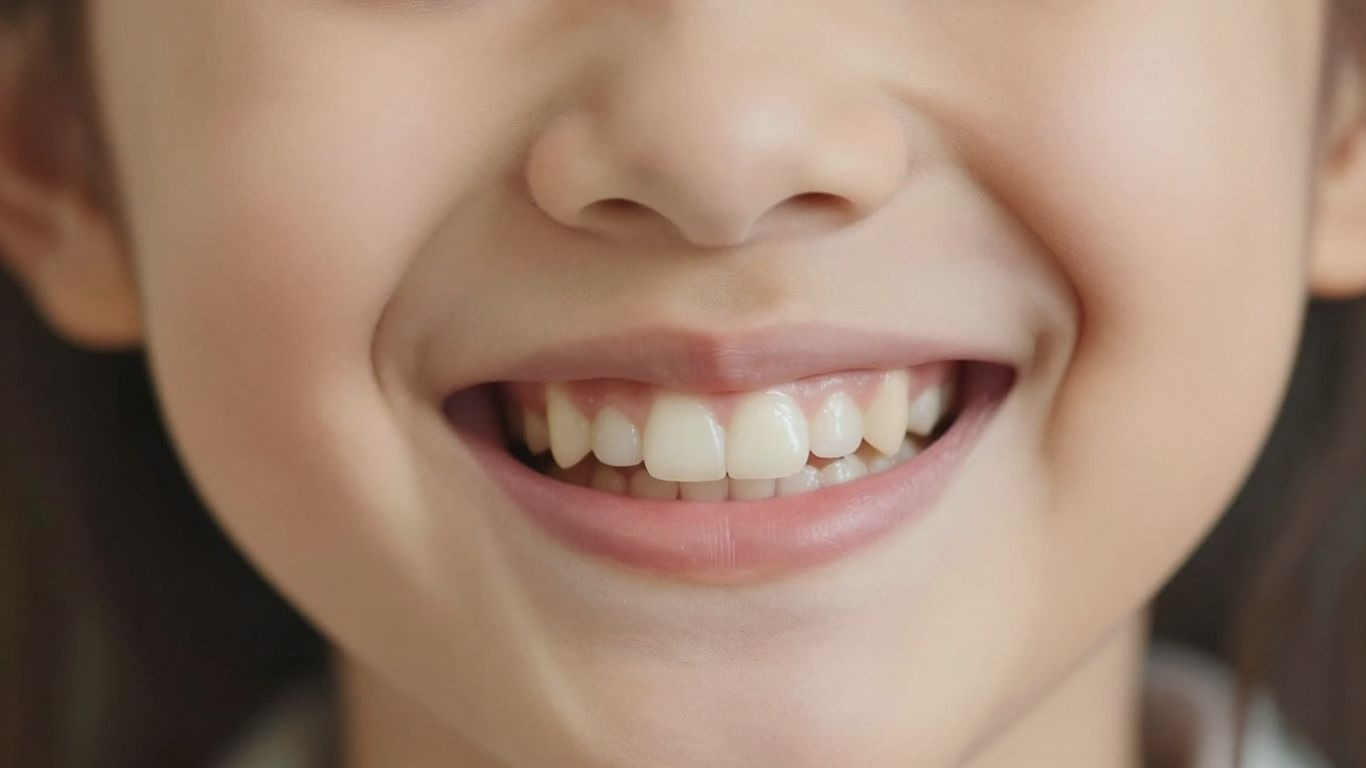
Thinking about braces for your kiddo? It's a common question for parents, and honestly, there's no single 'magic' age that fits every child. Lots of things play into when orthodontic treatment is the best fit, from how their teeth are coming in to the specific issues they might have. It's not just about looks, either; getting things aligned early can help prevent bigger problems down the road. So, what's the scoop on What Age Should Kids Get Braces?
What to Keep in Mind
- There isn't one specific age when all kids should get braces; it depends on individual needs.
- An early visit to the orthodontist, around age 7, is recommended to check on dental development.
- Some issues might need early intervention (ages 5-9), while others are best treated when most permanent teeth are in (ages 10-14).
- Signs like gaps, crowded teeth, overbites, or underbites can indicate a need for braces.
- Delaying treatment can sometimes lead to longer treatment times and potentially higher costs later on.
What Age Should Kids Get Braces?
So, you're wondering about the right time for your kiddo to get braces. It's a common question, and honestly, there isn't one single "perfect" age that fits every child. Think of it less like a strict rule and more like a guideline based on how your child's smile is developing. The truth is, the average age for braces kids often falls within a range, but what's most important is getting a professional opinion.
Is there a perfect age for a child to start braces?
While many people think there's a magic number, the reality is a bit more nuanced. Some orthodontists suggest an initial visit around age seven. This isn't necessarily to start treatment, but rather for the orthodontist to get a good look at how your child's jaw is growing and how their permanent teeth are coming in. They can spot potential issues early on, even if braces aren't needed right away. This early check-up helps them create a roadmap for future treatment, if any is needed at all. So, when should children get braces? It really depends on their individual growth and specific dental needs.
Here are a few things orthodontists look at:
- Jaw Growth: How the upper and lower jaws are developing in relation to each other.
- Tooth Eruption: Whether permanent teeth are coming in properly and have enough space.
- Bite Issues: Problems like overbites, underbites, or crossbites that can affect function and appearance.
- Crowding: If there isn't enough room for all the permanent teeth.
It's easy to get caught up in what other kids are doing or what age seems "normal" for braces. But every child's mouth is unique. What works for one might not be the best approach for another. Focusing on your child's specific development is key.
Ultimately, what age should kids get braces is a question best answered by an orthodontist after a thorough examination. They'll consider everything from your child's bite to the spacing of their teeth to determine the most effective time for treatment.
Best Age to Get Braces for a Child — What Dentists Recommend
So, what's the magic number when it comes to getting braces for your kid? Honestly, there isn't one single age that fits every child. It really depends on their specific teeth and jaw development. However, orthodontists often have a go-to recommendation for when to start thinking about it.
Why do orthodontists suggest early evaluation for kids?
Even if your child's permanent teeth haven't all come in yet, it's a good idea to have them checked out by an orthodontist. The American Association of Orthodontists suggests a first visit around age 7. Why so early? Well, sometimes problems with how the teeth and jaw are growing can be fixed much more easily when kids are still young. Think of it like this: it's easier to guide a sapling than a full-grown tree.
Here's a look at why that early check-up is so important:
- Catching Issues Early: Orthodontists can spot potential problems like crowding, overbites, or underbites before they become bigger headaches later on.
- Interceptive Treatment: Sometimes, a special appliance can be used to guide jaw growth or make space for incoming teeth. This can make the later, more traditional braces phase shorter or even unnecessary.
- Planning Ahead: An early evaluation helps create a roadmap for your child's dental future, so you know what to expect and when.
Dentists and orthodontists look at the whole picture, not just the number of teeth. They consider how the jaw is growing and how the teeth are erupting. This helps them figure out the most effective time for treatment.
While many kids end up needing braces between the ages of 10 and 14, when most permanent teeth are in, starting the conversation with an orthodontist earlier can make a big difference. It's all about giving your child the best chance for a healthy, straight smile without unnecessary fuss down the road.
When Should Children Get Braces — Early vs Late Treatment
So, when's the magic window for braces? It's not quite as simple as picking a birthday. Some folks think waiting until all those baby teeth are gone is the way to go, usually around ages 10 to 14. The idea here is that by then, most of the permanent teeth are in, and things are a bit more settled. Plus, kids are still growing, which can make moving teeth a bit easier.
Early Intervention: The "Two-Phase" Approach
But then there's the early bird approach, sometimes called "interceptive treatment." This can start much sooner, even when kids still have a lot of baby teeth, maybe between ages 5 and 9. Why bother with this? Well, sometimes it's about making space for teeth that haven't popped through yet, preventing overcrowding, or even helping to guide jaw growth. It can also help avoid bigger problems down the road, like needing teeth pulled or jaw surgery later on. This often means two rounds of treatment: one early on to set the stage, and then another phase with braces once the adult teeth are mostly in. It might seem like more hassle, but for certain issues, it can make the whole process smoother and potentially shorter in the long run.
What Happens If Braces Are Delayed Too Long?
If you put off orthodontic treatment, it's not usually the end of the world, but it can make things trickier. Teeth will keep shifting, and problems like crowding or bite issues can get worse. This might mean a longer treatment time with braces later on, and sometimes, it can even lead to more complex procedures. You might also end up paying more for treatment down the line than you would have if you'd started earlier. Plus, there are potential health impacts to consider.
- Worsening bite problems: Issues like overbites or underbites can become more pronounced, making chewing difficult and potentially causing jaw pain.
- Increased risk of damage: Teeth that stick out too far are more vulnerable to chips and breaks if a child takes a fall.
- Difficulty with oral hygiene: Severely crowded or misaligned teeth can be tough to clean properly, increasing the risk of cavities and gum disease.
Sometimes, waiting too long can mean that certain jaw growth issues can't be corrected as easily, or at all, once a child's face has finished growing. It's like trying to reshape a dried-out piece of clay versus a moist one – much harder to work with.
Ultimately, the best timing really depends on what's going on with your child's teeth and jaw. It's not a one-size-fits-all situation, and chatting with an orthodontist is the best way to figure out the right plan.
What Age Do Kids Need Braces — Signs to Watch For
How do you know your child is ready for braces?
Sometimes it's pretty obvious your kiddo might need some help with their smile, but other times, the signs aren't as clear. You might be wondering if those little quirks in their teeth are just a phase or something that needs attention. It’s not always about how straight their teeth look right now; it’s also about how their bite works and if there’s enough room for all those permanent teeth to come in nicely. Paying attention to these details can help you decide when it's time to chat with an orthodontist.
Here are some things to look out for:
- Gaps Between Teeth: While some gaps are normal when baby teeth are falling out, persistent gaps between permanent teeth can be a sign that something needs adjusting. These spaces can trap food and plaque, leading to gum issues down the road.
- Crowded Teeth: If permanent teeth are coming in and it looks like there's a real squeeze in your child's mouth, that's a big clue. Teeth that are too close together can be hard to clean properly and might grow in at awkward angles.
- Jaw Alignment Issues: Does your child's top jaw stick out way past their bottom jaw (overbite), or does the bottom jaw jut out too far (underbite)? Sometimes, the teeth don't meet properly at all (crossbite or open bite). These bite problems aren't just about looks; they can affect how your child eats and even speaks.
- Difficulty Chewing or Biting: If your child complains about food getting stuck, has trouble taking a bite, or seems to bite their cheek or the roof of their mouth often, it could point to a bite problem that braces can fix.
- Mouth Breathing: While not directly a tooth issue, chronic mouth breathing can affect jaw development and the way permanent teeth erupt, sometimes leading to a narrower upper jaw. If you notice your child is often breathing through their mouth, it's worth mentioning to the dentist.
It's easy to think that if your child's teeth look okay now, everything will sort itself out. But sometimes, problems with spacing or how the teeth fit together can get worse over time, especially as more permanent teeth come in. An orthodontist has the tools, like X-rays, to see what's happening below the surface and predict how things might develop.
Average Age for Braces in Kids and What Parents Should Expect
So, you're wondering when your kiddo might need braces? It's a common question, and honestly, there isn't one single magic number that fits every child. Think of it more like a range, and even then, it depends on what's going on with their teeth and jaw.
Most dentists and orthodontists suggest that kids should have their first orthodontic check-up around age 7. This isn't necessarily to get braces right away, but more to get a good look at how their teeth are developing and if there might be any issues down the road. It's like getting a head start on planning.
Generally speaking, many kids end up getting braces between the ages of 10 and 14. This is often when most of their permanent teeth have come in, and their orthodontist can get a clearer picture of what needs to be done. Plus, kids at this age are still growing, which can actually make the process of moving teeth a bit easier.
Here's a quick rundown of what you might expect:
- First Visit: Around age 7, an orthodontist will check your child's bite, jaw growth, and tooth alignment. They'll let you know if treatment is likely needed and when might be the best time to start.
- Early Treatment (Phase 1): Sometimes, an orthodontist might recommend starting treatment even earlier, maybe between ages 5 and 9. This is often for specific problems, like severe crowding or bite issues, and might involve appliances that aren't traditional braces. It's all about guiding that early jaw and tooth development.
- Later Treatment (Phase 2): This is what most people think of as braces. It usually happens when most permanent teeth are in, typically between 10 and 14 years old. This phase focuses on straightening teeth and perfecting the bite.
- Duration: How long braces stay on varies a lot. It could be anywhere from one to three years, depending on how complex the issue is and how well your child's teeth respond.
It's important to remember that every child's mouth is unique. What works for one might not be the best plan for another. Regular check-ups with your dentist and orthodontist are key to figuring out the right timing for your child.
The goal is to create a healthy, functional bite and a smile your child can be proud of, and getting started with evaluations at the right time really helps make that happen.
So, When's the Magic Age?
Alright, so we've talked a lot about teeth and timing. The big takeaway here is that there isn't one single age that works for every kid when it comes to braces. Some might need a little help early on, even before all their baby teeth are gone, while others can wait until they're a bit older, maybe between 10 and 14, when most of their permanent teeth have shown up. The best move? Chat with your dentist or an orthodontist. They can look at your child's specific situation, check out their bite and jaw, and figure out the right plan. It’s all about getting that healthy, confident smile, and the timing is just part of the journey. The ideal time for a child's first orthodontic evaluation is by age seven, when permanent teeth begin to emerge. Contact our office to schedule an assessment and see if early intervention or braces could benefit your child’s development. Visit Swenson Family Orthodontics today to learn more about our approach to early orthodontic care.
Frequently Asked Questions
Is there a specific age when kids should get braces?
There isn't one single age that's perfect for every child to get braces. It really depends on their teeth and jaw development. While many kids get braces between ages 10 and 14, some might need them earlier, around age 7, especially if there are bite issues. The best thing to do is have your child see an orthodontist by age 7 so they can figure out the right time.
Why do orthodontists recommend an early check-up for kids?
Even if your child's teeth look okay, an early visit to the orthodontist around age 7 is super helpful. They can spot little problems with jaw growth or tooth alignment that you might not see. Catching these issues early means they can create a plan that might involve early treatment or just watching things develop. This can prevent bigger problems later on and sometimes makes treatment quicker.
What happens if braces treatment is delayed too long?
If you wait too long to get braces, it can sometimes make the problem worse and treatment take longer. Teeth and jaws continue to shift, and issues like overcrowding or bad bites can become more complex. Delaying treatment might also mean more expensive or complicated procedures down the road, like jaw surgery or pulling teeth, which could have been avoided with earlier intervention.
How can I tell if my child is ready for braces?
Look out for signs like crooked, crowded, or widely spaced teeth. Also, notice if your child has an overbite (top teeth stick out too far) or an underbite (bottom teeth stick out too far). Difficulty chewing or biting can also be a clue. However, the best way to know for sure is to have an orthodontist examine your child. They can see things you can't, like issues in the back of the mouth or how the jaw is growing.
What's the usual age for kids to get braces?
Most kids start braces treatment when they have most of their permanent teeth, which is usually between the ages of 10 and 14. However, some orthodontists might start treatment earlier, between 7 and 9, with what's called 'Phase One' treatment. This might involve devices like palate expanders to help with jaw development. The actual time spent in braces can vary, typically from one to three years, depending on the complexity of the issue.
What can parents expect during orthodontic treatment?
When your child gets braces, expect regular appointments, usually every 4-8 weeks. At these visits, the orthodontist will adjust the braces, tighten wires, and check on progress. It's important for your child to keep their teeth clean to avoid cavities and for them to follow any specific instructions, like wearing rubber bands. The whole process can take anywhere from one to three years, but your orthodontist will give you a better idea after the initial exam.
Blog Post Author

Contributed by DentalROI
DentalROI provides relevant dental content to help providers educate patients. The statements, services, and products referenced in this article have not been evaluated by the Food and Drug Administration, and they are not intended as a substitute for professional medical advice, diagnosis, or treatment. Always seek the advice of your dental provider with any questions or issues you may have. Specific recommendations may vary in different circumstances, so individual consultation is important.