
Invisalign vs. Braces for Teens: Which Is Right for Your Child?
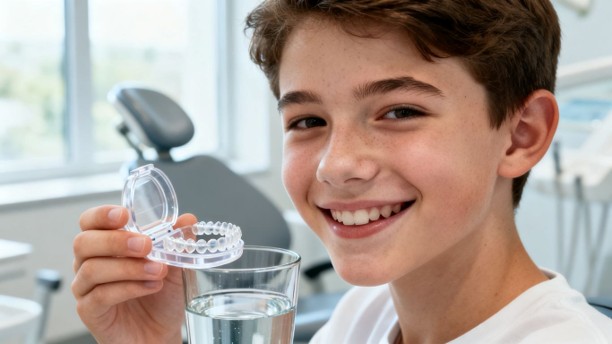
When parents compare Invisalign vs. braces for teens, the biggest difference is whether the treatment is removable. Braces stay attached to the teeth throughout treatment, while clear aligners can be taken out for meals, brushing, and flossing. At Swenson Family Orthodontics in Lewiston, Dr. Brendon Swenson helps families weigh both options for their teenager's specific needs.
Invisalign vs. Braces: What's the Difference?
Appearance is often the first concern teenagers mention. Invisalign aligners are subtle, whereas traditional braces are visible and may include brackets, wires, and colored bands. That difference can matter at school, during sports, or in photos, but appearance should be weighed alongside the type of tooth movement your teen needs.
The right choice depends on more than looks. Dr. Swenson considers crowding, spacing, bite alignment, jaw development, oral hygiene, and your teen's ability to follow daily instructions during a consultation before recommending a path forward.
How Invisalign Works for Teens
Invisalign uses a series of clear, removable aligners custom-fit to the patient's teeth. Each aligner applies gentle pressure, and the sequence gradually moves teeth toward the planned result. Because the aligners are removable, a teenager can take them out to eat and complete an ordinary brushing and flossing routine, then clean and replace them. The convenience is real, but it comes with a daily responsibility that fixed braces do not require.
How Traditional Braces Work for Teens
Traditional braces use brackets attached to the teeth and an archwire that connects them, adjusted by the orthodontist during periodic appointments. Since the appliances remain in place, treatment progresses without the teenager needing to remember to put them back in, which can be reassuring for families concerned about a removable option being misplaced or worn inconsistently. The tradeoff is that food can collect around brackets and hard or sticky foods may damage the appliances.
Invisalign Compliance for Teens: What Parents Should Know
Compliance is one of the central issues in Invisalign treatment for teenagers, since aligners work only while being worn. Losing an aligner, leaving it out for long periods, or moving to the next set too soon can interfere with the treatment schedule. Parents can help by creating routines, like a consistent case storage spot and a quick evening check, that make wearing the aligners automatic rather than a source of daily conflict.
- Keep the aligner case in the same visible place at home
- Pack a small oral-care kit for school and after-school activities
- Set phone reminders for putting aligners back in after meals
- Ask your teen to mention discomfort or fit changes early
Invisalign vs. Braces for Teens: Key Comparison
| Factor | Invisalign | Traditional Braces |
|---|---|---|
| Visibility | Subtle, nearly invisible | Visible brackets and wires |
| Removability | Removable for eating and hygiene | Fixed in place throughout treatment |
| Daily responsibility | Requires consistent teen compliance | No daily removal decisions needed |
| Food restrictions | Minimal, since aligners come out to eat | Hard, sticky, and chewy foods should be avoided |
According to MouthHealthy, the American Dental Association's consumer resource, removable aligners are an option for treating orthodontic problems when used under the direct supervision of a dentist or orthodontist, while traditional braces use brackets and wires that a professional adjusts periodically to gradually move teeth into place.
Cost Comparison: Invisalign vs. Braces for Teens
The price of orthodontic treatment varies by case complexity, treatment length, and what fees the practice includes. There is no universal price difference between aligners and braces that applies to every teenager, so a written estimate from our financial information team is more useful than a general online range. Ask whether the quoted fee covers examinations, adjustments, retainers, and follow-up visits, since offices bundle these differently.
Choosing the Best Option for Your Teenager
The best orthodontic option for teenagers is the one that matches both the orthodontic problem and the teen's everyday behavior. A highly responsible teen who wants a discreet treatment may do well with removable aligners, while a teen who forgets belongings or resists routines may do better with an appliance that stays in place. Sports and music deserve a place in the conversation too, since a teen who plays a wind instrument or participates in contact sports may have specific comfort considerations.
Ready to explore which option fits your family? Schedule a free consultation with our Lewiston team to get a plan tailored to your teen's smile.
Conclusion
Choosing between aligners and braces is a personal decision shaped by orthodontic needs, daily habits, comfort, appearance, and cost. Talking openly with your teen and orthodontist and comparing the responsibilities honestly can help your family select the option you can support consistently throughout treatment.
Frequently Asked Questions
Is Invisalign or braces better for every teenager?
No. The better option depends on the teen's orthodontic needs, maturity, oral hygiene, preferences, and ability to follow treatment instructions.
Can teenagers eat normally with braces?
Most teens can eat a broad range of foods, but they may need to avoid hard, sticky, or chewy items that can damage brackets or wires.
What happens if a teen forgets to wear aligners?
Occasional lapses should be discussed with the orthodontist, especially if they happen often, since the office can explain whether to continue, repeat, or adjust the current step.
Are braces painful for teenagers?
Teens may experience pressure or tenderness after placement and adjustments. This discomfort is usually temporary, but persistent or severe pain should be reported.
What happens after orthodontic treatment ends?
Retainers are commonly used to help maintain the new tooth positions, and Dr. Swenson will recommend how and when they should be worn.
About the Author
Swenson Family Orthodontics is located at 3326 4th St STE 5, Lewiston, ID 83501. The practice is led by Dr. Brendon Swenson, who completed his undergraduate education at Utah Valley University, earned his dental degree from the University of Iowa College of Dentistry, and completed his orthodontic specialty training through Iowa's Orthodontic Residency Program.
Medical Disclaimer
The information provided in this article is for educational purposes only and does not constitute professional orthodontic advice, diagnosis, or treatment. The best orthodontic option for your teen can only be determined through an in-person evaluation. Always seek the advice of your orthodontist or other qualified health provider with any questions regarding orthodontic treatment. Never disregard professional advice or delay in seeking it because of something you have read here.
Blog Post Author

Contributed by DentalROI
DentalROI provides relevant dental content to help providers educate patients. The statements, services, and products referenced in this article have not been evaluated by the Food and Drug Administration, and they are not intended as a substitute for professional medical advice, diagnosis, or treatment. Always seek the advice of your dental provider with any questions or issues you may have. Specific recommendations may vary in different circumstances, so individual consultation is important.