
How to Brush and Floss With Braces: A Step-by-Step Guide
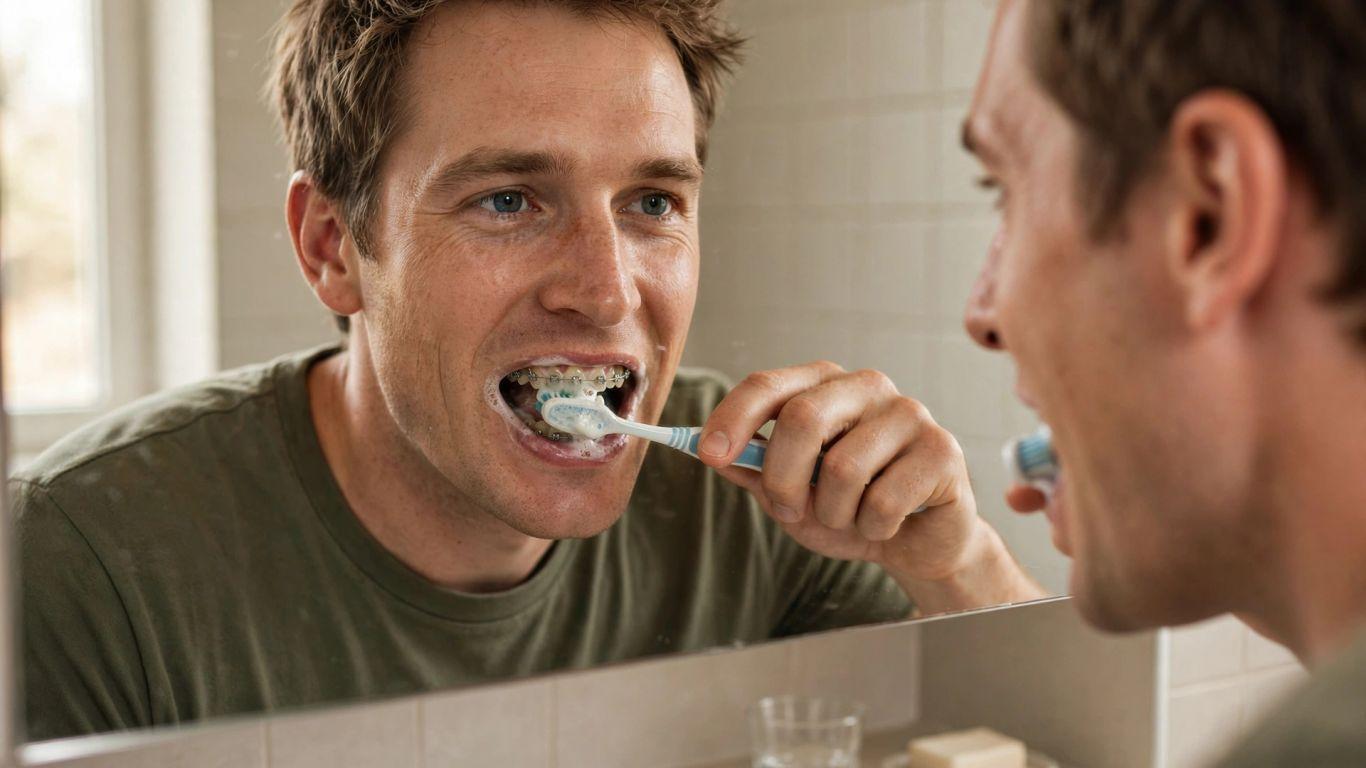
Get your braces-cleaning tools ready
A few simple tools make it easier to reach the places braces can hide food and plaque. You do not need to use every option at once; start with what feels manageable and ask your dental or orthodontic team if you are unsure what suits your appliance. Our guide to brushing and flossing with braces covers the basics.
Choose a soft-bristled or electric toothbrush
A soft-bristled brush can clean around brackets without requiring hard pressure. An electric toothbrush is another option if you find its steady motion easier to manage. Replace the brush or brush head when the bristles look worn.
Keep an interdental brush handy for brackets and wires
A small interdental brush can help dislodge food around brackets and beneath the archwire, where a regular brush may not fit comfortably. Use a size that passes through gently rather than forcing it into a tight space.
Gather floss, a floss threader, or orthodontic floss
Flossing is still part of the routine with braces, though getting floss behind the archwire takes an extra step. A threader can guide regular floss under the wire, while orthodontic floss may have a stiffened end to make threading easier.
Consider a water flosser as an extra cleaning aid
A water flosser sends a stream of water around the teeth and braces, which can help rinse away loosened food. Think of it as an extra step, not a substitute for the rest of your routine.
| Tool | Where it can help | Keep in mind |
|---|---|---|
| Soft-bristled toothbrush | Tooth surfaces and around brackets | Use gentle pressure |
| Interdental brush | Around brackets and under the wire | Choose a size that fits without force |
| Floss and threader | Between teeth beneath the archwire | Move slowly to avoid snapping floss |
| Water flosser | Rinsing around braces | Use it as an addition to brushing and flossing |
If threading floss is uncomfortable or a brush does not fit, ask your orthodontist for guidance before changing how you clean around the appliance.
Brush around brackets and wires step by step
Braces create extra edges where food can cling, so brushing may take longer than it did before treatment. Small, gentle movements help you clean thoroughly without pressing hard on your gums or appliance.
Rinse your mouth to loosen food
Start by swishing with water and spitting it out. This can loosen larger food particles, but it does not replace brushing or cleaning between the teeth.
Angle the bristles above and below each bracket
Place the bristles at a slight angle above a bracket, then make gentle, short strokes. Repeat below the bracket and move methodically from tooth to tooth. Avoid scrubbing hard across the wire.
Clean the front, back, and chewing surfaces of every tooth
Once the areas around the brackets are clean, brush the front and inside surfaces of each tooth, along with the chewing surfaces of the back teeth. A simple route, upper teeth first and then lower, can help you avoid missing a section.
Brush along the gumline and your tongue
Tilt the bristles gently toward the gumline and brush along it without forcing them under the gums. Finish by brushing your tongue lightly, then check in a mirror for food or residue around the brackets. The American Dental Association explains how to brush your teeth in more detail.
How to floss with braces
Flossing with braces takes patience because the floss needs to pass beneath the archwire before it can reach the spaces between teeth. Work one gap at a time, using a mirror if it helps.
Thread the floss beneath the archwire
Cut a length of floss and use a floss threader, or the stiff end of orthodontic floss, to guide it beneath the archwire. Pull the floss through gently and take care not to tug sharply on the wire or brackets.
Curve the floss around each tooth and move it gently below the gumline
Once the floss is between two teeth, curve it into a C shape against one tooth. Slide it gently just beneath the gumline, then move it up and down along the tooth rather than sawing forcefully.
Clean both sides of every tooth before moving on
A single pass through the gap is not enough if the floss only touches one side. If you feel resistance, ease the floss through instead of snapping it into place.
Repeat with a fresh section of floss
After cleaning a gap, shift to a clean part of the floss before moving to the next one. Continue around the mouth, including the back teeth.
Clean between teeth when traditional floss is tricky
Some people find threading floss around braces awkward, especially near the back teeth. It is fine to use different tools for different parts of your mouth.
Use an interdental brush to clear around brackets and under the wire
Guide the small brush around each bracket and beneath the wire where it fits comfortably. Use short, light movements, taking care not to bend the wire.
Try orthodontic floss or a reusable floss threader
Orthodontic floss or a reusable threader can make it easier to guide floss under the wire. If the threader catches, pause and reposition it rather than pulling against the appliance.
Use a water flosser to rinse away loosened food and debris
A water flosser can help rinse around brackets and along the gumline after you have loosened food. Continue brushing and cleaning between teeth with a suitable method.
Ask your orthodontist which options suit your braces
Different appliances and tooth spacing can affect which tools feel comfortable and effective. Your orthodontist can show you how to thread floss or choose an interdental brush. Learn more about life with braces.
Build a daily brushing and flossing routine
A regular routine is easier to keep when it fits naturally into your day. Keep your approach steady, even on busy days.
Brush after meals when possible
If you can, brush after eating so food does not sit around the brackets for long. When brushing right away is not practical, rinse with water and brush later.
Floss at least once a day
Set aside a predictable time for flossing, such as before bed, and move through every gap. If it takes longer than expected at first, that is normal.
Pack a small cleaning kit for school or work
A compact kit means you can take care of your braces when you are away from home.
- A travel toothbrush and a small amount of toothpaste
- A floss threader or orthodontic floss
- An interdental brush in a protective case
- A small mirror, if one is useful to you
Keep up with regular dental and orthodontic visits
Routine dental visits allow your dentist to check your teeth and gums while you have braces. Orthodontic appointments are also a chance to ask about cleaning challenges. See what to expect on your first visit.
Handle common cleaning challenges
A little food left behind is not unusual. The useful response is a calm, careful cleanup rather than force.
Remove food caught around brackets without pulling on the wire
Try rinsing with water first, then use an interdental brush or soft toothbrush to loosen the food with small movements. Avoid using sharp objects or tugging at a piece caught on the appliance.
Protect sore gums with gentle brushing and flossing
Tender gums can make cleaning feel unpleasant, but skipping the area may leave more buildup behind. Use a soft-bristled brush and light pressure. If soreness continues or worsens, contact your dentist or orthodontist.
Check for plaque buildup around brackets and along the gumline
After brushing, look closely in a mirror at the edges of each bracket and where the teeth meet the gums. If you are unsure whether you are cleaning effectively, ask your dental team to review your technique.
Contact your orthodontist about loose brackets or damaged wires
Do not try to bend a wire or reattach a bracket yourself. If a bracket feels loose or a wire is damaged, contact your orthodontist. Our orthodontic emergency care page explains what to do.
Conclusion
Brushing and flossing with braces takes a little extra time, but a gentle, consistent routine can help you reach around brackets, wires, and between your teeth. Choose tools that feel manageable, follow a pattern, and ask your team when a cleaning challenge is hard to handle on your own. Contact Swenson Family Orthodontics for personal guidance.
Frequently Asked Questions
How often should I brush with braces?
Brush after meals when possible, and follow the schedule recommended by your dentist or orthodontist. If brushing immediately is not practical, rinse with water and brush when you can.
How to floss with braces without a threader?
Orthodontic floss with a stiffened end may be easier to guide beneath the archwire. If you use regular floss, a threader can help; ask your orthodontist to demonstrate a method that works for your braces.
Should floss go under the gumline?
Gently slide the floss just beneath the gumline and curve it against each tooth. Avoid forcing it downward or snapping it between teeth.
Can I use an electric toothbrush with braces?
Yes, an electric toothbrush can be an option, as can a soft-bristled manual brush. Whichever you use, clean carefully around each bracket and avoid pressing hard.
Is a water flosser enough to clean between teeth?
A water flosser can help rinse around braces, but it should not automatically replace brushing and cleaning between teeth with a suitable method. Ask your orthodontist how to fit it into your routine.
What should I do if food gets stuck in my braces?
Rinse with water, then gently use a toothbrush or an appropriately sized interdental brush. Do not pull on the wire or use a sharp object; contact your orthodontist if the food will not come free.
What if my gums bleed when I floss?
Use gentle technique and avoid snapping the floss into your gums. If bleeding persists or you are concerned, contact your dentist or orthodontist for advice.
About the Author
This article was prepared for Swenson Family Orthodontics, 3326 4th St STE 5, Lewiston, ID 83501, and reflects the experience of orthodontist Dr. Brendon Swenson. Dr. Swenson earned his undergraduate degree from Utah Valley University, graduated from The University of Iowa College of Dentistry, and completed Iowa’s Orthodontic Residency Program to become an orthodontic specialist.
Disclaimer
This content is for general educational purposes only and is not a substitute for professional dental or orthodontic advice, diagnosis, or treatment. Follow the instructions given by your own orthodontist.
Blog Post Author

Contributed by DentalROI
DentalROI provides relevant dental content to help providers educate patients. The statements, services, and products referenced in this article have not been evaluated by the Food and Drug Administration, and they are not intended as a substitute for professional medical advice, diagnosis, or treatment. Always seek the advice of your dental provider with any questions or issues you may have. Specific recommendations may vary in different circumstances, so individual consultation is important.