
How Long Do You Have to Wear a Retainer After Braces?
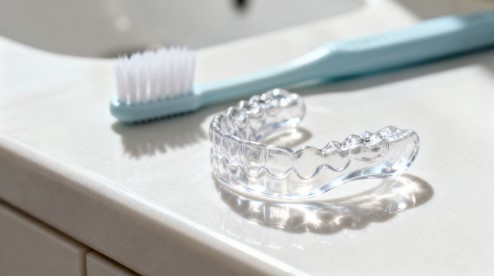
Finishing orthodontic treatment feels like a massive accomplishment, but the real work of protecting that beautiful result starts the moment your braces come off. Many people assume their teeth will stay locked in place once the wires are gone, but nature has other plans. Understanding the commitment involved is essential for protecting your investment, and knowing how long you have to wear a retainer is the first step toward long-term alignment success. At Swenson Family Orthodontics in Lewiston, Dr. Swenson walks every patient through a clear retention plan before the braces ever come off.
Do You Really Have to Wear Retainers Forever?
It is common to hope retainers are only a temporary step you can eventually abandon. In reality, teeth have a natural tendency to drift back toward their original positions, because the bone and ligaments that hold them need time to remodel and stabilize. For most patients, that means wearing a retainer to bed is a lifetime commitment if you want your smile to look exactly as it did the day treatment ended. It might sound daunting, but nightly wear quickly becomes as routine as brushing your teeth before sleep. Our orthodontic retention page explains the options in more detail.
How Many Hours a Day Should You Wear Your Retainer?
When braces first come off, your teeth are in a state of flux and at their most vulnerable to shifting. Orthodontists typically recommend a period of intense compliance in which you wear your retainer nearly full-time to guide stabilization. This phase generally lasts a few months, during which you remove the device only for meals, snacks, or daily cleaning.
What Happens If You Stop Wearing Your Retainer?
Ignoring retainer instructions is the fastest way to lose the progress you made over months or years of braces or Invisalign treatment. When you stop using your appliance consistently, your teeth can relapse, crowding or rotating again. The shift can happen so subtly that you may not notice until your retainer feels tight or stops fitting entirely. It is far easier to keep teeth in place with nightly wear than to go through a second round of orthodontic treatment later.
Retainer Rules for the First Year After Braces
The first year is the most critical window for letting your teeth set into their new positions permanently. Being diligent about your wear schedule allows the soft tissues around the roots to fully adapt. Your wear requirement naturally decreases as your teeth settle, but that transition should always happen on your orthodontist's timeline, not your own.
| Retention Phase | Recommended Wear | Goal |
|---|---|---|
| Immediate post-braces | 20-22 hours daily | Initial stabilization |
| Mid-range (3-6 months) | Evenings and nights | Tissue adaptation |
| Long-term maintenance | Nighttime only | Permanent positioning |
Once you reach the maintenance phase, a few habits keep everything on track:
- Always store your retainer in its case when it is not in your mouth.
- Clean the appliance daily with a soft toothbrush and cool water.
- Keep it away from heat sources like hot water or car dashboards.
- Contact your orthodontist right away if you notice cracks or loose pieces.
This disciplined approach protects your alignment without requiring daytime wear, letting you enjoy your results with minimal interruption to daily life.
Signs Your Teeth Are Shifting Because of Inconsistent Wear
Sometimes life gets in the way, and a few missed nights can let teeth move slightly. You might notice unusual pressure when you put the retainer back in, or see small gaps forming where your teeth used to sit flush. These are warnings that your teeth are trying to return to their original positions, and the fix is to resume your regular schedule immediately. According to the American Association of Orthodontists, consistent retainer wear is the single most important factor in keeping teeth straight after treatment.
What to Do If Your Retainer No Longer Fits
If your retainer feels painfully tight or won't seat properly, don't force it; pushing it into place can damage your roots or the appliance. Instead, contact our office to discuss whether a new impression is needed or the current retainer can be adjusted. Ignoring a bad fit leaves your teeth vulnerable to continued movement, so acting quickly is the best way to avoid bigger issues down the road.
Conclusion
Caring for your smile after braces is a manageable habit that makes your orthodontic journey pay off for years to come. Stay consistent with your retainer, listen to the feedback your teeth give you, and keep the appliance clean, and you can feel confident about the longevity of your smile. If you have questions about retention or need a replacement retainer, schedule a free consultation with our team.
Frequently Asked Questions
What should I do if I lose my retainer?
Call your orthodontist immediately to order a replacement. Every day without your retainer puts your teeth at risk of shifting back toward their original positions.
Does a fixed retainer mean I never have to wear a removable one?
Not always. A bonded wire covers only a few teeth, so many orthodontists still recommend a removable clear retainer at night to hold the entire arch in place.
Why does my retainer feel tighter after a few days off?
Teeth drift when they are not held in place. A tight sensation means your teeth have already begun to move and the retainer is guiding them back.
How often should I replace my retainer?
Retainers typically last several years but eventually wear out or crack. Replace yours when it shows visible wear, warping, or becomes too cloudy to clean properly.
Will wearing a retainer fix a crooked tooth that shifted?
No. Retainers maintain position rather than move teeth. If your teeth have shifted significantly, you may need an evaluation for a new round of treatment.
About the Author
Swenson Family Orthodontics is a family orthodontic practice in Lewiston, Idaho, led by Dr. Brendon Swenson. Dr. Swenson earned his dental degree at The University of Iowa College of Dentistry and completed Iowa's Orthodontic Residency Program to become an orthodontic specialist. The practice provides braces, Invisalign, and early orthodontic treatment for children, teens, and adults throughout the Lewis-Clark Valley.
Medical Disclaimer
The information provided in this article is for educational purposes only and does not constitute professional medical, dental, or orthodontic advice, diagnosis, or treatment. Always seek the advice of your orthodontist, dentist, or other qualified health provider with any questions you may have regarding a medical condition or treatment. Never disregard professional medical advice or delay in seeking it because of something you have read here.
Blog Post Author

Contributed by DentalROI
DentalROI provides relevant dental content to help providers educate patients. The statements, services, and products referenced in this article have not been evaluated by the Food and Drug Administration, and they are not intended as a substitute for professional medical advice, diagnosis, or treatment. Always seek the advice of your dental provider with any questions or issues you may have. Specific recommendations may vary in different circumstances, so individual consultation is important.