
Foods You Absolutely Can't Eat With Braces
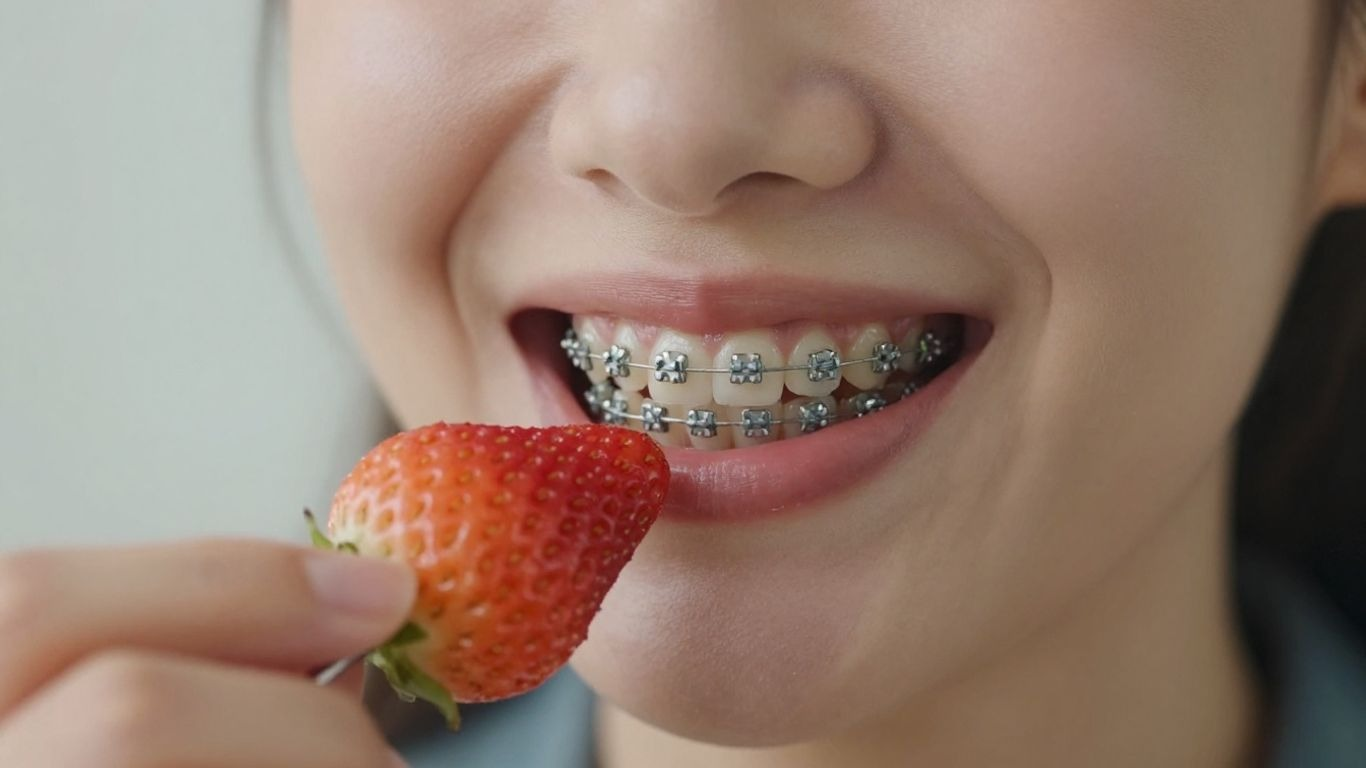
So, you've got braces. Awesome! Getting that perfect smile is a journey, and part of that journey means being a little picky about what goes into your mouth. Think of it like this: your braces are like a delicate construction project in your mouth, and some foods are just not invited to the party because they can cause some serious damage. We're talking about things that can bend wires, pop off brackets, or just get super stuck and hard to clean. It's all about protecting your hardware so your treatment stays on track. If you're wondering what you can not eat with braces, here's the lowdown on the major no-nos.
Foods You Should Avoid With Braces
Sticky Candies That Pull and Pry
This is probably the most obvious category. Candies like taffy, caramel, Starburst, and even gummy bears are basically magnets for your braces. They stick to everything – brackets, wires, and your teeth. The stickier the candy, the higher the chance it'll pull a bracket right off or bend a wire. And let's not even talk about how hard it is to get that sugary goo out from around your braces. It's a recipe for cavities and a trip back to the orthodontist.
Hard Candies That Can Chip and Crack
Hard candies, like lollipops, jawbreakers, or even butterscotch, are another big problem. While you might think you're just sucking on them, it's super easy to accidentally bite down. That crunch can be enough to chip a bracket or, worse, bend or break a wire. Even if you don't break anything, chewing on hard candy introduces a lot of sugar to your mouth, and with braces, cleaning that sugar away is way harder, increasing your risk of cavities. So, what not to eat with braces? Definitely these.
Crunchy Snacks That Cause Breakage
This category includes things like popcorn, chips, pretzels, and even ice. Popcorn kernels are tiny little troublemakers that love to get lodged in places you can't reach, causing irritation and inflammation. Crunchy chips and hard pretzels can put a lot of pressure on your brackets and wires, leading to damage. And chewing on ice? It's a common culprit for broken braces. These crunchy snacks are best avoided to keep your braces intact.
Tough Meats and Chewy Bites
Think about foods that require a lot of forceful chewing. This includes things like tough cuts of meat (like steak or jerky), bagels, crusty bread, and even some raw vegetables like carrots. Biting into these can put a lot of stress on your braces. If you have to really sink your teeth into something, it's probably not a good idea. It's better to cut these foods into smaller, manageable pieces or avoid them altogether to prevent damage. Remember, the goal is to keep your braces in good shape throughout your treatment.
Foods You Should Be Super Careful With
Popcorn Kernels: A Tiny Terror
Okay, let's talk about popcorn. It's a movie night staple, right? But those little kernels? They are the absolute worst for braces. They can get lodged in places you didn't even know existed, causing irritation and making cleaning a nightmare. Seriously, it's like a tiny, hard invader that just won't leave. If you absolutely must have popcorn, look for the "hulless" kind, but even then, proceed with caution. It's better to just skip it altogether to avoid any potential damage or discomfort.
Whole Fruits and Veggies: Prep is Key
Apples, carrots, celery sticks – these are healthy, we know. But biting into them whole with braces is a recipe for disaster. That satisfying crunch can easily send a bracket flying or bend a wire. The trick here is preparation. Instead of taking a big bite, cut fruits and veggies into small, manageable pieces. Think thin apple slices, shredded carrots, or cooked, softened vegetables. This way, you still get all those good nutrients without risking your orthodontic hardware.
Crusty Breads and Bagels: A Chewy Challenge
That perfectly crusty baguette or a chewy bagel might seem innocent enough, but they can be tough on braces. The hard exterior and dense interior require a lot of chewing, which can put undue stress on your brackets and wires. If you're craving bread, opt for softer varieties. You can also try tearing off smaller pieces or removing the crust altogether. It’s all about making things easier for your teeth and your braces.
When in doubt, think about the texture. If it requires a serious chomping session or has a hard, brittle edge, it's probably best to avoid it or modify how you eat it. Your orthodontist wants your treatment to go smoothly, and that includes protecting your braces from unnecessary damage.
Embrace the Soft Stuff: Foods That Are Braces-Friendly
Okay, so you've got braces. Does that mean your diet is doomed to be bland and boring? Absolutely not! In fact, some of the best foods for you right now are super comforting and easy to eat. Think of it as a chance to explore a whole new world of soft, delicious eats that are actually good for your teeth and your hardware.
Smoothies and Soups: Easy to Slurp
These are your best friends, especially right after an adjustment when your mouth might feel a bit tender. Blending up fruits, veggies, yogurt, or even some protein powder makes for a quick, nutritious meal or snack. Soups are also fantastic – just make sure there aren't any hard bits like corn kernels or crunchy croutons lurking at the bottom. A warm bowl of tomato soup or a chilled gazpacho can be incredibly soothing.
Smoothie Ideas:
- Berry Blast: Strawberries, blueberries, banana, yogurt, and a splash of milk.
- Green Machine: Spinach, apple, banana, almond milk, and a bit of ginger.
- Peachy Keen: Peaches, yogurt, honey, and a touch of vanilla.
Dairy Delights: Yogurt and Cheese
Yogurt is a total win. It's smooth, packed with calcium, and comes in endless flavors. Just check the label to avoid ones with hard mix-ins like granola or chocolate chips. Soft cheeses, like cottage cheese or mozzarella string cheese (pulled into small pieces), are also great. They're easy to chew and provide protein and calcium.
Remember, dairy isn't just for breakfast. A small container of yogurt can be a perfect afternoon pick-me-up, and cheese sticks can be a convenient snack if you cut them into bite-sized pieces.
Soft Fruits and Cooked Veggies
Raw fruits and veggies are often off the table, but that doesn't mean you have to skip out on the good stuff. Think bananas, ripe peaches, melon, and berries. For veggies, steaming or roasting makes them super soft and easy to manage. Carrots, broccoli, sweet potatoes, and zucchini all become wonderfully tender when cooked.
Prep is Key:
- Always cut fruits and veggies into small, manageable pieces.
- Cook vegetables until they are fork-tender.
- Applesauce is a great alternative if you're craving something apple-like but can't bite into a whole one.
Pasta and Grains: Comfort Food Classics
Pasta is a braces-wearer's dream. Soft noodles, especially those with smooth sauces, are easy to eat and satisfying. Macaroni and cheese? Yes, please! Grains like oatmeal, rice, and quinoa are also excellent choices. They're soft, filling, and can be customized with sweet or savory toppings. Just be mindful of very chewy or sticky grain options.
Sweet Treats That Are Okay (Mostly!)
Okay, let's talk about the good stuff: sweets! Having braces doesn't mean you have to say goodbye to all your favorite sugary delights forever. There are definitely some treats that can be enjoyed without causing a major disaster for your hardware. Think of it as a temporary pause on the really tough stuff, with plenty of softer, sweeter options to keep your taste buds happy.
Ice Cream and Pudding: Cool and Soothing
This is where you can really win. Cold, creamy treats are not only delicious but can also be a lifesaver, especially right after an adjustment when your mouth might be feeling a bit tender. Ice cream, frozen yogurt (just watch out for hard mix-ins like nuts or candy pieces!), and pudding are generally safe bets. They're soft, easy to eat, and the cold can actually help numb any soreness. Just remember to rinse your mouth afterward, as sugar can still hang around and cause trouble for your teeth.
Soft Cakes and Cookies
Now, before you go grabbing a giant, crunchy cookie, let's clarify. We're talking about the soft kind. Think moist cakes, brownies without hard nuts, and cookies that are more on the chewy side rather than crisp. Anything that crumbles easily and doesn't require a lot of forceful biting or chewing is usually fine. Avoid anything with hard candy pieces, nuts, or very crunchy frosting. If it feels like it could chip a tooth without braces, it's probably a no-go with them.
Chocolate: A Sweet Surprise
Good news for chocolate lovers! Most standard chocolate bars and candies are perfectly fine. The texture is usually soft enough that it won't snag or break your braces. However, you'll want to steer clear of chocolates with hard candy fillings, nuts, or caramel swirls. Those additions can turn a safe treat into a bracket-breaking hazard. So, stick to the smooth, melt-in-your-mouth varieties, and you should be good to go. Just like with ice cream, a quick rinse after indulging is always a smart move to keep those pearly whites (and your braces) clean.
Why Your Diet Matters for Your Braces Journey
So, you've got braces. Awesome! This is the start of getting that smile you've been dreaming of. But, like anything new, there's a bit of a learning curve, and what you eat plays a bigger role than you might think. It's not just about avoiding a broken bracket (though that's a biggie!). Your food choices can actually make your whole braces experience smoother and help you get to that perfect smile faster.
Protecting Your Hardware
Think of your braces as a delicate piece of machinery. They're built tough, sure, but they're not invincible. Biting into something too hard or sticky can cause a bracket to pop off or a wire to bend. Every time that happens, it's like hitting the pause button on your treatment. You'll need to go back to the orthodontist to get it fixed, which can add extra time to your whole journey. It's way easier to just avoid those problem foods in the first place.
Avoiding Discomfort After Adjustments
Remember those first few days after your orthodontist tightens your braces? Yeah, your teeth probably feel a little tender. That's totally normal! During this time, sticking to softer foods is your best bet. Anything that requires a lot of biting or chewing can be pretty uncomfortable when your teeth are already sensitive. Think smoothies, yogurt, or mashed potatoes – they go down easy and won't add to the soreness.
Keeping Stains and Cavities at Bay
Braces create extra nooks and crannies in your mouth, which, let's be honest, can be a magnet for food particles. If those bits hang around, they can lead to plaque buildup, which isn't great for your teeth. This can result in white spots (stains) on your teeth where the brackets were, or even cavities. Brushing and rinsing after meals is super important, but choosing foods that are less likely to get stuck can also make a big difference in keeping your smile healthy and bright throughout treatment.
Making smart food choices isn't just about protecting your braces; it's about taking care of your overall oral health while your teeth are moving into their new positions. It's a win-win situation that leads to a healthier mouth and a straighter smile, faster.
Smart Strategies for Eating With Braces
Cut It Small, Chew It Slow
This is probably the most important rule. When you're eating, especially things that aren't super soft, cut them into really small pieces. Like, bite-sized doesn't even cut it sometimes. Think smaller. This means you're not taking huge chomps, which is way easier on your brackets and wires. And when you chew, take your time. Don't rush. Gently work your food with your back teeth if you can. It might feel a bit weird at first, but you'll get the hang of it. It really helps avoid those annoying moments where a bracket pops off or a wire bends.
Rinse and Brush After Every Meal
Food loves to hide in braces. Seriously, it's like a tiny obstacle course in there. So, after you eat, even if it's just a snack, try to rinse your mouth out with water. This gets rid of a lot of the loose bits. Then, if you can, brush and floss. Keeping things clean is super important for preventing cavities and keeping your gums healthy. It might mean carrying a little travel toothbrush and some floss, but it's worth it. Your orthodontist will thank you.
When in Doubt, Ask Your Orthodontist
Look, there are tons of lists out there about what you can and can't eat. But honestly, the best person to ask is your orthodontist. They know your specific braces, your teeth, and your treatment plan. If you're ever unsure about a food, or if something feels off after eating, just give their office a call. They've seen it all and can give you the best advice. It's better to be safe than sorry, right?
Making these small changes to how you eat can really make your braces journey smoother. It's all about protecting your investment in a great smile and avoiding unnecessary trips to the orthodontist's office. Plus, you'll feel better and avoid that post-adjustment soreness.
So, What's the Takeaway?
Alright, so getting braces means a few food swaps, no doubt about it. You'll have to say 'see ya later' to some of your go-to snacks, especially the super hard or sticky stuff. But honestly, it's not the end of the world! There's still a ton of yummy food you can enjoy, and with a little prep, like cutting things up smaller, you can still have most of your favorites. Think of it as a temporary diet adventure on your way to a killer smile. Just remember to keep things clean, and you'll be golden. You got this!
Frequently Asked Questions
Why do I need to change what I eat with braces?
Think of your braces as tiny, important tools working hard to straighten your teeth. Some foods, like really hard candies or super sticky caramels, can actually break these tools or make them work less effectively. Avoiding these foods helps your braces do their job right and keeps your treatment time from getting longer. Plus, it helps keep your teeth clean and healthy while they're being moved!
What are the biggest foods to avoid?
The main things to stay away from are anything hard, sticky, or super chewy. This includes things like popcorn kernels, hard candies, nuts, bubble gum, taffy, and tough meats like jerky. Biting into these can easily damage your braces, like popping off a bracket or bending a wire.
Can I still eat fruits and vegetables?
Yes, you definitely can! But you'll need to be a little careful. Instead of biting into a whole apple, it's best to cut it into small, bite-sized pieces. For veggies like carrots, cooking them until they're soft is a great idea. Things like corn on the cob should have the kernels cut off first. This makes them easier and safer to eat.
What kind of snacks are safe?
You've got lots of great options! Think soft snacks like yogurt, pudding, and smoothies. You can also enjoy things like soft cookies, muffins, and even ice cream (just watch out for hard bits like nuts or candy pieces). Cheese sticks and soft bread are good choices too.
What should I eat right after getting my braces adjusted?
Your teeth might feel a little sore for a day or two after your orthodontist tightens your braces. During this time, it's best to stick to soft foods that don't require much chewing. Great choices include smoothies, soups, yogurt, mashed potatoes, scrambled eggs, and pasta. These will be much more comfortable for your sensitive teeth and gums.
How can I clean my braces after eating?
Cleaning is super important! After every meal or snack, it's a good idea to rinse your mouth with water. Then, brush your teeth gently, making sure to get around your brackets and wires. Flossing daily is also key to remove any food bits that might be hiding. Your orthodontist can show you the best way to brush and floss with braces.
Blog Post Author

Contributed by DentalROI
DentalROI provides relevant dental content to help providers educate patients. The statements, services, and products referenced in this article have not been evaluated by the Food and Drug Administration, and they are not intended as a substitute for professional medical advice, diagnosis, or treatment. Always seek the advice of your dental provider with any questions or issues you may have. Specific recommendations may vary in different circumstances, so individual consultation is important.