
Can You Have Braces with Dental Implants
It's a common question for adults thinking about straightening their teeth: Can I get braces if I have a dental implant? Many people get implants to replace missing teeth, and then later decide they want to fix the alignment of their other teeth. The good news is that having a dental implant doesn't usually stop you from getting braces. However, there are some important things to know about how braces and implants interact, and how your treatment plan might look.
Key Takeaways
- Dental implants are fixed directly into the jawbone and cannot be moved by braces, unlike natural teeth.
- Braces can still be used to straighten the natural teeth around a dental implant.
- Implants can sometimes be used as anchor points to help move other teeth during orthodontic treatment.
- Often, braces are recommended *before* dental implants are placed to create the ideal space for the implant.
- Treatment plans involving braces and dental implants require careful planning between your orthodontist and dental surgeon.
How Dental Implants Differ from Natural Teeth
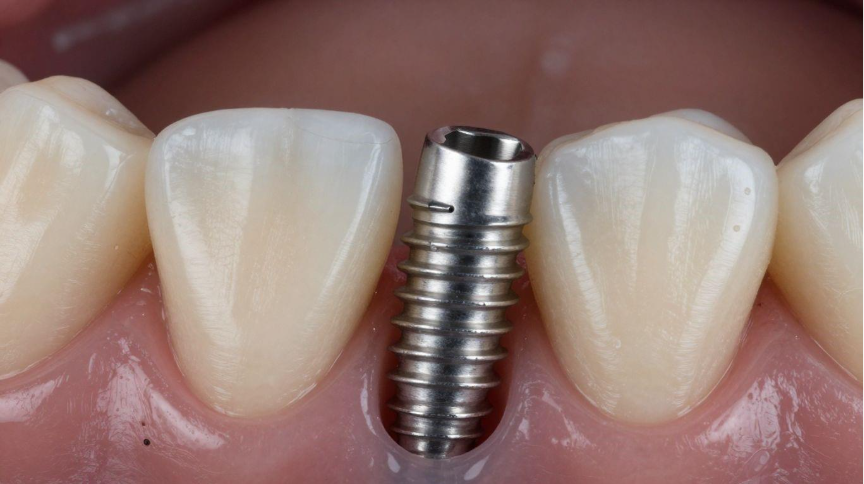
When thinking about braces and dental work, it's helpful to know how implants are different from your regular teeth. A dental implant isn't like a natural tooth that has roots in your jawbone. Instead, it's a titanium post surgically placed directly into the jawbone. This post acts as a stable base, and a crown is attached to it to look like a natural tooth.
Because the implant is anchored directly into the bone, it's not designed to move. This is a key difference from natural teeth, which can be gently shifted by orthodontic appliances like braces. Think of it like this: natural teeth have a bit of give, allowing them to be repositioned. An implant, however, is essentially fused with the bone, making it a fixed point.
This immobility means that while implants themselves won't shift during orthodontic treatment, they don't necessarily prevent you from getting braces. The way they differ from natural teeth is significant for orthodontic planning.
Here are some key distinctions:
- Anchorage: Natural teeth have periodontal ligaments that allow for movement. Implants are integrated directly into the bone, providing a very stable, non-moving anchor.
- Root System: Natural teeth have roots that can be influenced by orthodontic forces. Implants replace the root structure with a post.
- Lifespan: While natural teeth can last a lifetime with good care, implants are also designed for long-term durability, often lasting decades or even a lifetime.
Understanding this difference is the first step in figuring out how braces and implants can work together to achieve your smile goals.
Why Dental Implants Don’t Move with Braces
When you're thinking about getting braces, especially if you already have a dental implant, it's natural to wonder how everything will work together. The main thing to understand is that dental implants are quite different from your natural teeth when it comes to orthodontic treatment. Your natural teeth are held in place by a soft tissue called the periodontal ligament, which allows them a little bit of give and movement. This is how braces work – they gently push and pull on your natural teeth, encouraging them to shift into a better position over time.
Dental implants, on the other hand, are anchored directly into your jawbone. A titanium post is surgically placed into the bone, and over time, it fuses with the bone in a process called osseointegration. This fusion makes the implant incredibly stable and essentially a permanent part of your jaw. Because of this direct bone integration, implants don't have that flexible ligament holding them. They are not designed to move, and braces simply can't move them.
This immobility means that while braces can move your natural teeth, they won't affect the position of your dental implant. This is a key difference that needs to be considered when planning orthodontic treatment. It's not that implants prevent you from getting braces, but rather that the implant itself will remain stationary throughout the process. The focus of the braces will be on moving the surrounding natural teeth, either to better align with the implant or to create the best overall smile given the implant's fixed position.
When Braces and Dental Implants Can Work Together
So, you're wondering, can you get braces if you have dental implants? The short answer is often yes, but it really depends on your specific situation. Dental implants are fantastic for replacing missing teeth because they're anchored directly into your jawbone. This solid connection means braces, which are designed to move natural teeth, can't actually move an implant itself.
However, this doesn't mean implants are a roadblock to getting straighter teeth. In many cases, the implant can actually serve as a stable anchor point. Your orthodontist can use the implant to help move your other, natural teeth into their correct positions. Think of it like having a fixed point on a map that helps you plot the course for everything else.
Here's a breakdown of how it usually works:
- Implants Placed After Braces: This is often the preferred route. If you need both braces and implants, getting your braces first allows the orthodontist to align your natural teeth and create the perfect space for the implant. Once your teeth are straight, the implant can be placed in that ideal spot.
- Implants Used as Anchors: Sometimes, an existing implant can be used as a stable point to help move other teeth. The braces won't move the implant, but they can push and pull the surrounding teeth around it.
- Temporary Anchorage Devices (TADs): In some complex cases, small temporary implants, called TADs, might be used solely for anchorage. These can help speed up tooth movement and achieve more significant corrections without needing traditional headgear.
It's important to remember that the success of combining these treatments hinges on careful planning. Close communication between your orthodontist and your implant surgeon is key to making sure everything lines up perfectly for your smile goals.
If you already have an implant, don't assume braces are off the table. A thorough evaluation by an orthodontist can determine the best approach for you. They'll look at how long ago the implant was placed and how it might fit into the overall orthodontic plan.
What Types of Braces May Be Used with Dental Implants
So, you're wondering if you can get braces even if you have a dental implant, or maybe you're thinking about teeth implants and how braces might fit in. The good news is that having a dental implant doesn't automatically rule out orthodontic treatment with dental implants. It's definitely possible to get braces with implants, but it requires a bit of careful planning.
The main thing to remember is that braces can't move a dental implant itself. Because implants are fused directly into your jawbone, they're not going anywhere. Think of them as a fixed point. However, this doesn't mean your smile is stuck! Orthodontists are pretty clever and can work around implants.
Here's how it generally works:
- Moving Teeth Around the Implant: If your implant is already in place, your orthodontist can focus on moving your natural teeth to align with it. This is often the case when the teeth needing adjustment aren't directly adjacent to the implant.
- Using the Implant as an Anchor: In some situations, the implant can actually serve as a stable anchor point. Your orthodontist can use the implant's stability to apply gentle pressure and move other teeth into their correct positions.
- Planning Before Placement: If you haven't had the implant placed yet, your orthodontist might recommend braces first. This allows them to create the ideal space and alignment for where the implant will eventually go. This approach often leads to the best functional and aesthetic outcome.
- Temporary Anchorage Devices (TADs): Sometimes, small, temporary devices are used solely for anchorage during orthodontic treatment. These can help move teeth more efficiently, especially when significant correction is needed, and can sometimes even reduce the need for other appliances.
It's important to have a thorough discussion with your orthodontist about your specific situation. They'll look at the number of implants you have, their location, and what your overall smile goals are. This conversation is key to figuring out the best approach for you.
While traditional metal braces are common, other types might also be considered depending on your needs and the orthodontist's recommendation. The goal is always to achieve a healthy, well-aligned smile, and with the right planning, braces and dental implants can absolutely work together.
Treatment Planning That Accounts for Implants
When you have dental implants and are considering braces, a carefully thought-out plan is really important. It's not quite the same as just straightening natural teeth because those implants are fixed in place. They don't move like your other teeth do.
The best results usually come from a coordinated approach between your orthodontist and your implant surgeon. This teamwork helps make sure everything lines up correctly and that the treatment works for your specific situation. It's all about making sure your smile looks great and functions well after everything is done.
Here’s what goes into planning:
- Assessing the Implant's Position: The orthodontist will look at where the implant is located. If it's already in place, they need to figure out how the surrounding teeth can be moved around it. Sometimes, the implant might be in a spot that makes perfect alignment tricky, and this needs to be addressed early on.
- Timing of Treatment: Often, it's better to have braces before getting an implant. This way, the braces can create the ideal space and alignment for the implant to be placed later. If the implant is already there, the orthodontist will plan the tooth movements around it.
- Using Implants as Anchors: In some cases, a dental implant can actually be used as a stable point, or anchor, to help move other teeth. This can be really helpful for getting the desired tooth movement without needing other types of appliances.
- Considering Implant Removal (Rarely): In very unusual situations, if an implant is significantly hindering the desired tooth movement, it might be recommended to remove it, complete the orthodontic treatment, and then replace the implant. This is usually a last resort.
A thorough examination and open communication are key. Your dental team will review your medical history, the condition of your existing teeth, and the placement of any implants to create a personalized treatment strategy. This ensures that the orthodontic process works harmoniously with your implants for the best possible outcome.
So, Can You Have Braces with Dental Implants?
It turns out, having a dental implant doesn't automatically rule out getting braces. While braces can't actually move the implant itself because it's fused to your jawbone, they can still work wonders on your other teeth. Your orthodontist can use the implant as a stable point to help shift your natural teeth into better alignment. Sometimes, the best plan is to get braces first to create the perfect spot for an implant, or the implant might even help anchor your braces. The main thing is to talk openly with both your dentist and your orthodontist. They can look at your specific situation and figure out the best way to help you get that straighter smile you're looking for, implants and all. Combining braces with dental implants is possible, but it requires careful coordination since implants do not move like natural teeth. Contact our office to discuss your specific dental history and learn how we can safely integrate orthodontic treatment with your existing implants. Visit Swenson Family Orthodontics today to see how we can help you achieve your best smile.
Frequently Asked Questions
Can braces move dental implants?
No, braces cannot move dental implants. This is because implants are titanium posts surgically placed directly into the jawbone, making them a permanent part of your mouth. Unlike natural teeth, which are held by a ligament that allows for movement, implants are fused to the bone and do not move.
Can I get braces if I already have dental implants?
Yes, it is often possible to get braces even if you have dental implants. While the braces can't move the implant itself, they can be used to straighten the other natural teeth around it. Sometimes, the implant can even serve as a stable anchor point to help move other teeth more effectively.
Should I get braces before or after dental implants?
Generally, it's recommended to have braces first if you need both treatments. This allows the orthodontist to align your natural teeth and create the perfect space for the dental implant to be placed. Having braces first ensures the implant will fit correctly and function well with your newly straightened smile.
What if my dental implant is already in place and I want braces?
If your dental implant is already in place, an orthodontist can still work with you. They will carefully plan the treatment to move the surrounding teeth without affecting the implant. In some cases, the implant might be used as an anchor, or the focus might be on straightening teeth in other areas of your mouth.
Are there different types of braces I can use with implants?
Yes, various types of braces can be used. Traditional metal braces, clear braces, and even clear aligners like Invisalign are options. The best choice will depend on your specific orthodontic needs and how they interact with your dental implants. Clear aligners are often a good choice as they don't require adhesives that could affect implants or other dental work.
What happens if my teeth shift and my implant looks out of place after braces?
It's possible for natural teeth to shift over time, which might make an existing implant appear slightly out of alignment after orthodontic treatment. In such situations, you might decide to accept the minor difference for a more natural look, or in less common cases, the implant might need to be removed and replaced after your braces are off to perfectly match your new smile.
Blog Post Author

Contributed by DentalROI
DentalROI provides relevant dental content to help providers educate patients. The statements, services, and products referenced in this article have not been evaluated by the Food and Drug Administration, and they are not intended as a substitute for professional medical advice, diagnosis, or treatment. Always seek the advice of your dental provider with any questions or issues you may have. Specific recommendations may vary in different circumstances, so individual consultation is important.