
Broken Bracket or Wire? What to Do Before Your Next Appointment
1. Check What Broke and Whether You Have an Emergency
A broken bracket or wire can feel alarming, but many orthodontic problems can wait briefly for professional repair. Start by looking in a mirror with clean hands and good light. Try to identify what moved, what is still attached, and whether anything is cutting your cheek or gums. That description will help our office decide how quickly you need to be seen.
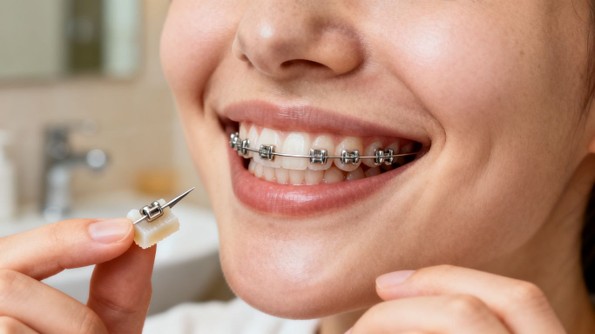
A loose bracket may still be threaded onto the archwire, where it can slide or rotate instead of staying fixed to the tooth. A completely detached bracket may be sitting in your mouth or may have fallen out. Do not tug at a bracket that is dangling, because pulling can irritate the tooth or bend the wire.
A wire that has shifted can press against the cheek, tongue, or gum, while a snapped wire may leave a short, sharp end—the appearance alone does not show how urgent the problem is, so pay attention to bleeding, swelling, pain, and whether you can close your mouth normally.
Most loose brackets are inconvenient rather than life-threatening. Get urgent medical or dental help after a significant injury to the face or mouth, severe swelling, trouble breathing or swallowing, uncontrolled bleeding, or pain that is intense and not improving. Call our orthodontic emergency line as soon as possible if a wire is repeatedly poking you, a bracket is causing a cut, or a component has come completely loose and may be swallowed.
2. Protect Your Mouth Right Away
Once you know what has moved, focus on preventing more rubbing and keeping the area clean. Wash your hands before looking closely or touching anything near the braces, then rinse gently with lukewarm water and inspect the inside of your cheek, lips, tongue, and gums. If there is bleeding, apply gentle pressure with clean gauze or a clean cloth. Bleeding that does not settle, swelling that is increasing, or a deep cut calls for prompt professional advice.
Dry the nearby bracket or wire as much as you safely can with clean gauze, then roll a small piece of orthodontic wax into a ball, flatten it, and press it over the sharp point so it forms a smooth cushion. Replace it after eating or brushing, and do not use wax as a substitute for reporting the break.
If a loose wire is visibly resting against your cheek, you may be able to nudge it gently toward a less irritating position with a clean cotton swab, but never force a wire back into a bracket or push it into the gum. Braces parts are small, sharp, and connected to a treatment system you cannot safely evaluate at home, so avoid pulling or cutting components yourself.
3. Manage Pain and Irritation at Home
Tenderness often comes from a wire rubbing the soft tissue rather than from damage to the tooth itself. Rinsing gently with lukewarm salt water can calm minor irritation, and orthodontic wax can stop a sharp edge from rubbing while you speak or sleep. Choose foods that require little chewing, such as yogurt, eggs, oatmeal, soup, pasta, smoothies, or mashed vegetables, and avoid anything sticky, very hard, or crunchy until the bracket or wire has been assessed.
If you normally can take an over-the-counter pain reliever, use it only according to the package directions or advice from a healthcare professional. Pain that keeps intensifying, wakes you repeatedly, or comes with facial swelling, fever, pus, numbness, or difficulty swallowing should not be treated as ordinary brace irritation—contact our office promptly, and seek urgent medical care for breathing trouble, major trauma, or uncontrolled bleeding.
4. Contact Your Orthodontist With the Right Details
After protecting your mouth, contact our office rather than waiting for the next routine appointment without saying anything. Say which bracket or wire is affected, when you first noticed it, and whether it followed a particular food, habit, or impact. Mention pain, bleeding, swelling, rubbing, and whether the piece is still attached—a well-lit photo showing the whole area and a closer view can help, although we may still need to examine you in person.
Report the problem as soon as you notice it, even if the discomfort is mild. A loose bracket may not require a same-day visit, but we should decide whether it can wait. If a bracket or piece of wire comes out, place it in a small clean container or sealed bag and bring it to the appointment; do not rinse it with harsh chemicals or try to reattach it.
If you cannot find the piece, tell us anyway—that information is still useful, especially if you are unsure whether it was swallowed. Follow the temporary instructions from our office and continue using wax if it protects the area, and contact us again if the pain increases, the wire shifts further, the wax no longer helps, or a new symptom appears.
5. Avoid Making the Damage Worse Before Your Visit
Until we repair the problem, treat the affected area gently. A bracket that is already loose can come off completely with one hard bite, and a bent wire can become more uncomfortable if it is repeatedly pushed around. Avoid hard candies, ice, popcorn kernels, sticky sweets, tough meat, and foods that require biting force at the damaged area, and do not chew pens, fingernails, or other objects. Our Life with Braces page has more guidance on foods and habits to avoid during treatment.
Continue cleaning your teeth, but use light pressure around the loose part—a soft toothbrush can clean plaque without catching aggressively on the bracket. Do not force floss under a wire that is out of position; our brushing and flossing with braces guide covers safe techniques.
Glue, tape, and other household materials do not belong in the mouth and may damage enamel, gums, or orthodontic materials, and even a repair that looks neat may put pressure in the wrong direction—temporary wax and professional guidance are always the safer choice.
6. Prepare for the Orthodontic Appointment
A repair visit is usually easier when we know exactly what happened and what you tried afterward. Bring the loose component if you saved it, and be ready to point out any sore spots. The appointment may be brief, or it may involve a broader check if the break followed an injury or if several parts have shifted.
Depending on the damage, we may reattach or replace a bracket, trim or replace a wire, secure a loose component, or make another adjustment to keep treatment moving safely—do not assume that a temporary fix means the entire appliance needs to be replaced.
Give a simple timeline: what you were eating or doing, when you noticed the change, whether anything struck your mouth, and how the symptoms developed. Mention any wax, rinses, pain medicine, or adjustments you tried. Before leaving, ask what may have caused the failure, whether a particular food or habit should be avoided, and what to do if the same wire or bracket feels loose again. You can find answers to many common questions on our Orthodontic FAQs page, or reach out through our Contact page to schedule a repair visit.
Conclusion
When you are wondering what to do about a broken bracket or wire, begin with a calm inspection, protect any sharp edge, and contact your orthodontist with specific details. Most problems can be made more comfortable while you wait, but serious pain, swelling, bleeding, or injury deserves faster care. Avoid DIY repairs and let the orthodontic team decide what needs to be adjusted.
Frequently Asked Questions
Is a broken bracket always an emergency?
No. A loose bracket is often uncomfortable but can usually wait for professional advice. It becomes more urgent when there is significant pain, swelling, uncontrolled bleeding, a deep cut, facial injury, or trouble breathing or swallowing.
What should I do if a wire is poking my cheek?
Rinse gently, cover the sharp point with orthodontic wax, and contact your orthodontist. If it can be moved away without force, use a clean cotton swab gently, but do not pull, cut, or push the wire into the gum.
Can I glue a bracket back onto my tooth?
No. Household glue and other DIY adhesives are unsafe in the mouth and can damage tissue or complicate professional repair. Keep the piece if it comes off and ask the orthodontic office for instructions.
Should I keep a bracket that fell out?
Yes, if you can find it, place it in a clean container or sealed bag and bring it to the appointment. Do not try to reattach it, and tell the office if you cannot find it.
What can I eat while waiting for a repair?
Choose soft foods and small bites, and avoid hard, sticky, crunchy, or chewy foods. According to the American Dental Association, eating too many sugary or sticky foods with braces can lead to plaque build-up around brackets that could stain or damage your teeth, so take care not to bite directly on the damaged area until the orthodontist has assessed it.
How should I clean my teeth around a loose wire?
Brush gently with a soft toothbrush and avoid forcing floss or an interdental brush around a wire that has shifted. If cleaning causes sharp pain or persistent bleeding, pause and ask the orthodontic office for guidance.
How quickly should I call after braces break?
Call as soon as you notice the problem, even if it seems minor. Same-day advice is especially important when the wire is embedded, the tissue is badly cut, pain is severe, or the break followed an injury.
About the Author
Swenson Family Orthodontics is located at 3326 4th St STE 5, Lewiston, ID, serving families throughout the Lewiston-Clarkston area. The practice is led by Dr. Brendon Swenson, an orthodontic specialist who trained at The University of Iowa College of Dentistry and completed Iowa's Orthodontic Residency Program.
Disclaimer
The information provided in this article is for educational purposes only and does not constitute professional medical or dental advice, diagnosis, or treatment recommendations. If you are experiencing a dental or medical emergency, seek immediate care. Always consult your orthodontist with any questions regarding your treatment.
Blog Post Author

Contributed by DentalROI
DentalROI provides relevant dental content to help providers educate patients. The statements, services, and products referenced in this article have not been evaluated by the Food and Drug Administration, and they are not intended as a substitute for professional medical advice, diagnosis, or treatment. Always seek the advice of your dental provider with any questions or issues you may have. Specific recommendations may vary in different circumstances, so individual consultation is important.